
The Wine Map Is Moving
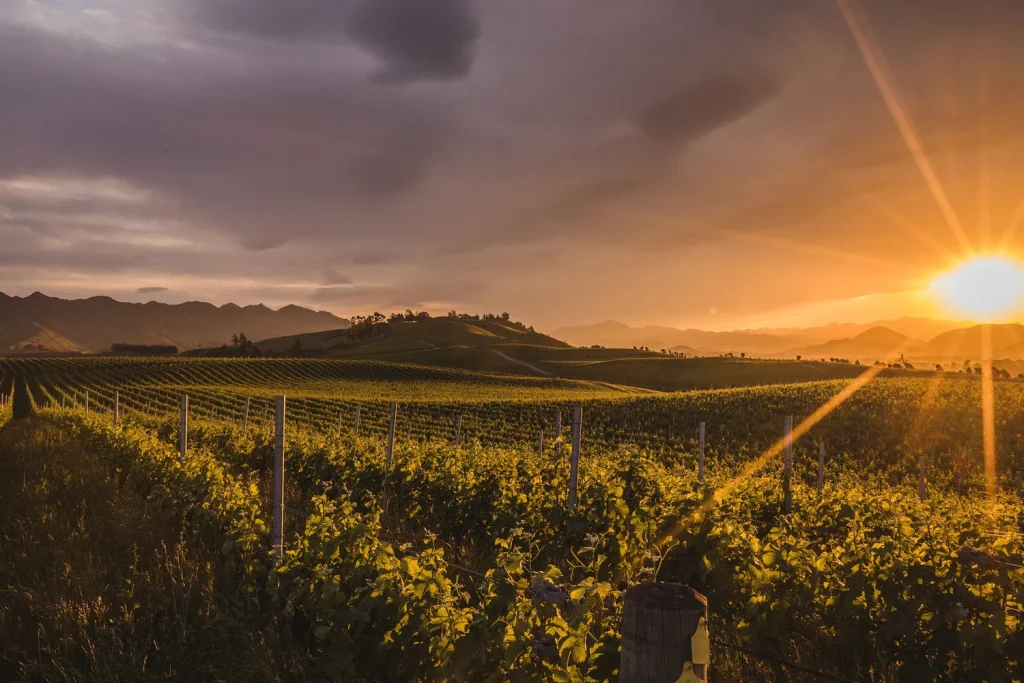
From Champagne to Barossa to New Zealand, climate is reshaping the way wine grows, tastes, and evolves.
Over the last few months, one question has come up more and more from some of my older clients, especially those in the 50 plus bracket:
How is global warming actually affecting wine production?
It’s a great question. We hear about climate change in the news, but what does it really mean for the wine in our glass? Does it affect flavour, alcohol, freshness, or even where great wine can be made in the future?
This week’s newsletter is my way of trying to answer that.
Because the more time I spend around wine, the more I realise this isn’t just a topic for growers and winemakers. It matters to wine drinkers too, especially if you love Champagne for its elegance, Barossa for its richness, or New Zealand wine for its freshness.
Wine Has Always Been About Place
One of the reasons wine is so special is because it reflects where it comes from.
Champagne built its reputation on cool-climate precision.
Barossa built its name on warmth, richness, and power.
New Zealand built its identity on freshness, purity, and bright fruit.
That’s the beauty of wine. It’s not just grape juice, it’s climate, soil, people, and season all working together.
So when climate changes, wine changes too.
England: A Region Nobody Took Seriously
Twenty-five years ago, most wine lovers would never have imagined England becoming a serious sparkling wine region.
Today, English sparkling wine is no joke. Warmer growing seasons are helping Chardonnay and Pinot Noir ripen more consistently, and the quality keeps improving.
That matters because it tells us something bigger: regions once considered too cold for fine wine are becoming more viable.
The wine map is opening up.
Champagne: Greatness Under Pressure
Champagne is still one of the world’s great wine regions, but even Champagne is feeling the effects of warmer seasons.
Harvests are coming earlier, and fruit is ripening more easily. In some ways that helps, but Champagne’s greatness has always been about balance, freshness, tension, and elegance.
So the real question becomes:
How do you keep Champagne tasting like Champagne if the climate keeps warming?
That’s one of the biggest challenges for the region.
Barossa: Ripeness Was Never the Problem
Barossa has always had sunshine, ripeness, and generosity. That’s why Barossa Shiraz and GSM blends can be so appealing.
But in a warm region, climate pressure looks different.
The challenge isn’t ripening fruit, it’s keeping freshness, controlling alcohol, and holding balance. Barossa doesn’t need more power. It already has that.
What it needs to protect is drinkability.
New Zealand: Freshness Is Our Strength
Here in New Zealand, one of our greatest wine strengths is freshness.
Whether it’s Marlborough Sauvignon Blanc, Central Otago Pinot Noir, or Hawke’s Bay Chardonnay, our wines are known for brightness, energy, and purity of fruit.
But even here, harvest dates are creeping earlier and warmer seasons are becoming more common. That doesn’t mean bad wine, far from it but it does mean growers and winemakers have to work harder to preserve the freshness that made people fall in love with New Zealand wine in the first place.
What Does Climate Change Taste Like in the Glass?
This is where the topic becomes real.
Sometimes climate change can taste like:
- riper fruit flavours
- higher alcohol
- softer acidity
- more generous, earlier-drinking styles
- less tension in the wine
Now, none of those things are automatically bad. A ripe Barossa Shiraz can be delicious. A fuller Champagne vintage can be beautiful. A generous New Zealand Chardonnay can be stunning.
But the point is this: when climate changes, the style of wine can slowly change with it.
Why This Matters
I think sometimes wine can be made to feel too technical, especially in our Pasifika communities, when really it should still be about enjoyment and connection.
But this conversation matters because it affects what wines we’ll be drinking in the future, why some regions are suddenly becoming exciting, and why a bottle you loved ten years ago might taste a little different today.
Wine is alive.
It moves with the land.
It moves with the season.
And right now, the land is changing.
The Wine Chief’s Take
For me, this is one of the most important wine conversations happening right now.
England is no longer a novelty.
Champagne is adapting.
Barossa is trying to hold balance.
New Zealand is trying to protect freshness.
The great wine regions aren’t disappearing, but they are evolving.
And the next great wine region might not be where we expect.
That’s why I think the wine map is moving.
Until next week,
The Wine Chief
Wine is made to be enjoyed, not overthought.