
The Secret Life of Oak – Part 1: French Oak vs American Oak
Before I ever studied wine, there was one question I always wanted answered.
What role does oak actually play in making wine?
I could taste flavours of vanilla, toast, coffee and spice in certain Chardonnays and red wines, but I couldn’t understand how a simple piece of wood could contribute so much to the flavour, aroma and texture of a wine.
As I immersed myself in the world of wine, I soon discovered that “oak” isn’t just oak. There are different species of oak, different forests where they’re grown, different levels of toasting, and different ages of barrels. Every one of these choices leaves its own fingerprint on the wine.
The more I learnt, the more I realised this wasn’t something I could cover in a single newsletter. So over the next four weeks, I’d love to take you on a journey into one of wine’s most fascinating subjects the world of oak.
Over the series we’ll explore:
- Part 1: French Oak vs American Oak – what’s the difference?
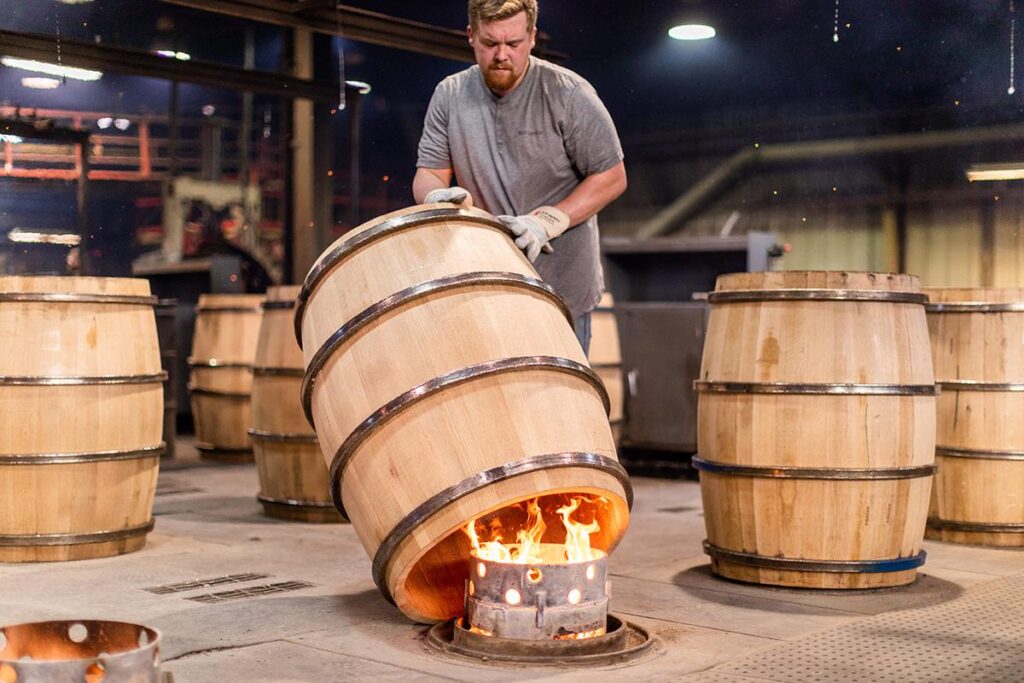
- Part 2: Toast Levels – how fire transforms flavour.
- Part 3: New vs Old Barrels – why age matters.
- Part 4: The Art of the Cooper – the craftsmen behind every great barrel.
This week, we’re starting with the two oak styles you’ll hear about most often: French oak and American oak.
Every Barrel Begins as a Tree
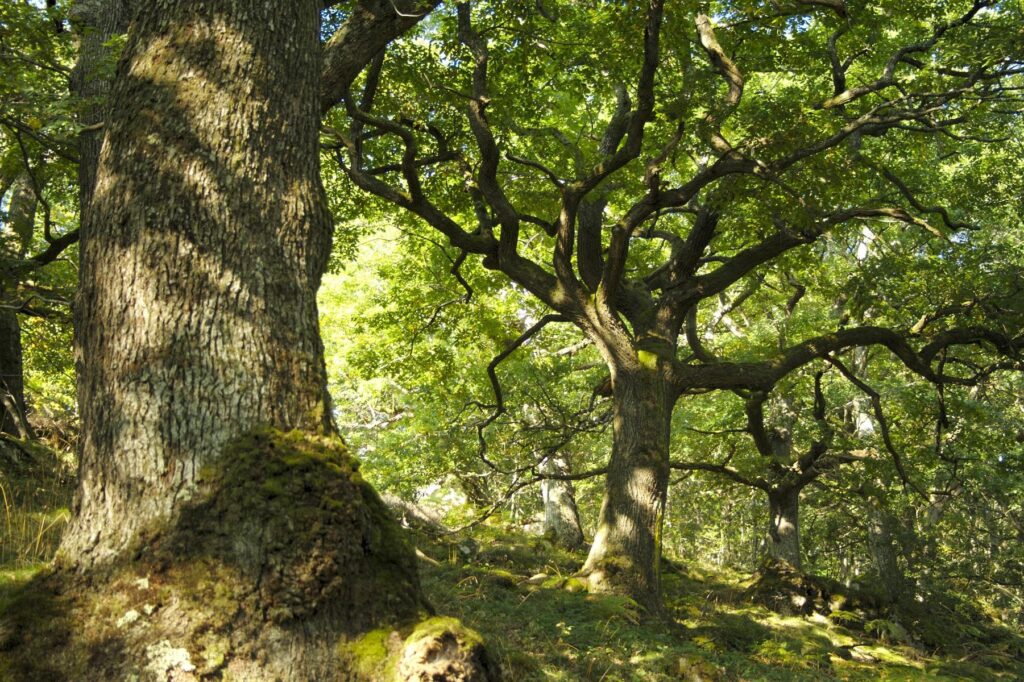
Before we compare the two, it’s worth remembering that every wine barrel begins as a tree.
Wine barrels are made from oak trees belonging to the Quercus family. These trees grow slowly over many decades, producing dense hardwood that is incredibly strong, yet porous enough to allow tiny amounts of oxygen to gently pass through the wood. This slow exchange of oxygen helps soften tannins, build texture and develop complexity as the wine matures.
The species of oak, where it grows and how it is seasoned all influence the flavours that eventually find their way into your glass.
French Oak – The Elegant Partner
Having lived and studied in Burgundy, I developed a real appreciation for French oak.
French oak, commonly sourced from forests such as Allier, Tronçais, Nevers and Vosges, has a very fine grain. Because of this, it releases its flavours more slowly and gently into the wine.
Rather than dominating the fruit, French oak works quietly in the background. It often contributes subtle notes of vanilla, cedar, clove, cinnamon, toasted hazelnut and delicate baking spices, while allowing the vineyard and grape variety to remain the hero.
It’s no surprise that many of the world’s finest producers in Burgundy, Bordeaux and Champagne rely heavily on French oak when crafting their premium wines.
American Oak – Bold and Generous
American oak tells a different story.
Produced mainly from Quercus alba, it has a wider grain than French oak, allowing it to impart flavours more quickly and more generously.
If you’ve ever tasted bold aromas of vanilla, coconut, caramel, sweet spice or dill in a wine, there’s a good chance American oak has played a role.
This style has become famous in regions such as Rioja in Spain and is also widely used in Australia, the United States and parts of South America. It suits fuller-bodied wines that can stand up to its richer, sweeter influence.
Neither French nor American oak is “better.” They’re simply different tools in the hands of a winemaker.
The Barrel Is Only Part of the Story
One thing that surprised me during my studies was discovering that barrels don’t simply flavour wine.
They help shape it.
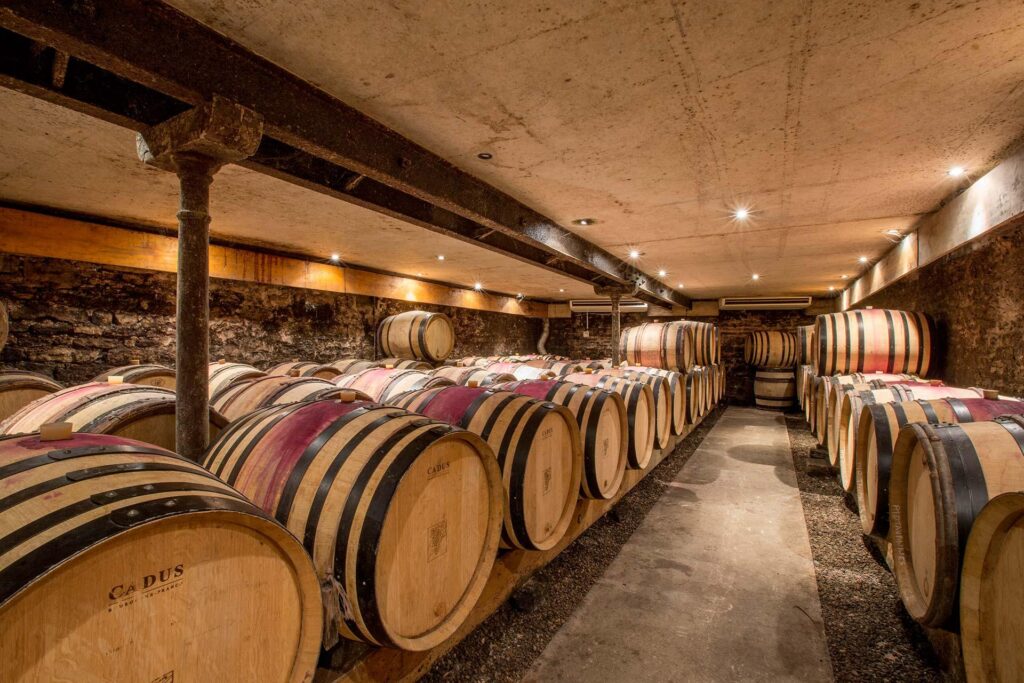
As wine slowly matures inside the barrel, tiny amounts of oxygen soften tannins, integrate flavours and build texture. A great barrel doesn’t mask the fruit—it supports it, adding another layer of complexity without taking centre stage.
It’s one of the reasons premium wineries invest so heavily in quality cooperage. A single French oak barrel can cost well over NZ$2,000, making it one of the biggest investments a winery makes after producing the fruit itself.
The Wine Chief’s Thoughts
One of the things I love most about wine is that every bottle tells a story.
Sometimes that story begins in the vineyard. Sometimes it’s shaped by the vintage. And sometimes, it quietly unfolds inside an oak barrel over many months or years.
The next time you pour a glass of Chardonnay, Pinot Noir, Cabernet Sauvignon or Syrah, take a moment before your first sip.
Can you find vanilla? Toast? Coffee? Spice? Coconut?
You may not just be tasting the grape.
You may be tasting the tree.
The Wine Chief’s Taste Along Challenge
Next time you’re shopping for wine, see if you can find one wine matured in French oak and another matured in American oak.
Taste them side by side and ask yourself:
- Which wine shows more vanilla?
- Which feels more elegant?
- Which would you pair with your favourite meal?
- Which style do you prefer?
There are no right or wrong answers. The best palate is the one you continue to develop.
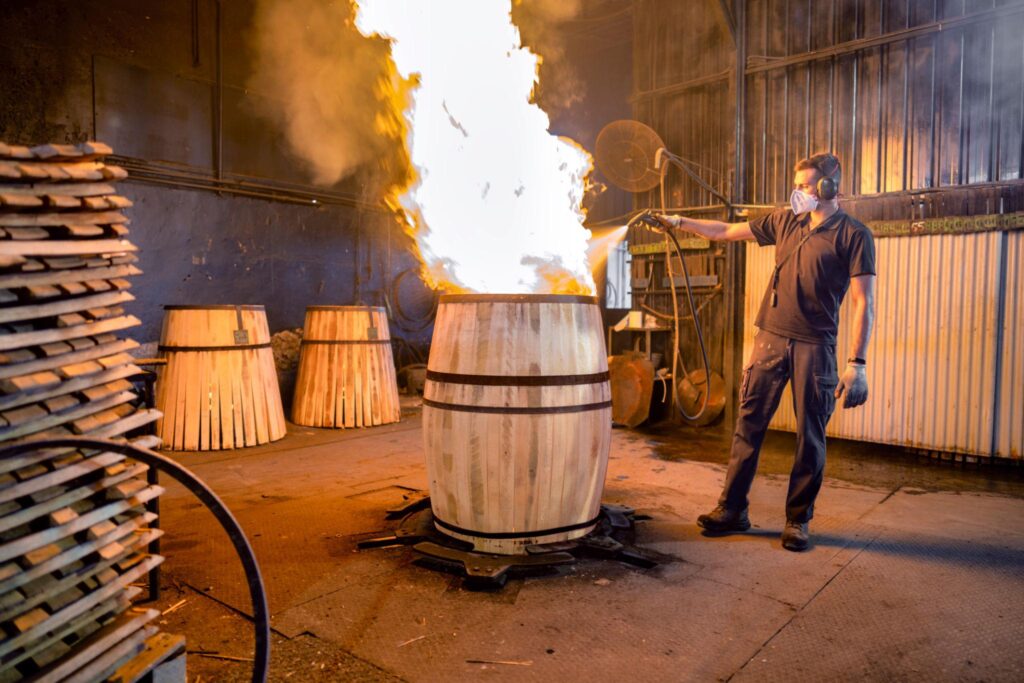
Next week: We’ll head inside the cooperage and discover how fire transforms an oak barrel. From light toast to heavy toast, you’ll learn why the same piece of oak can create flavours ranging from vanilla and caramel to coffee, smoke and dark chocolate.
Until then, enjoy the journey because wine is made to be enjoyed, not overthought.
The Wine Chief – Semisi Telefoni