
Millésime Champagne: When One Year Becomes a Story
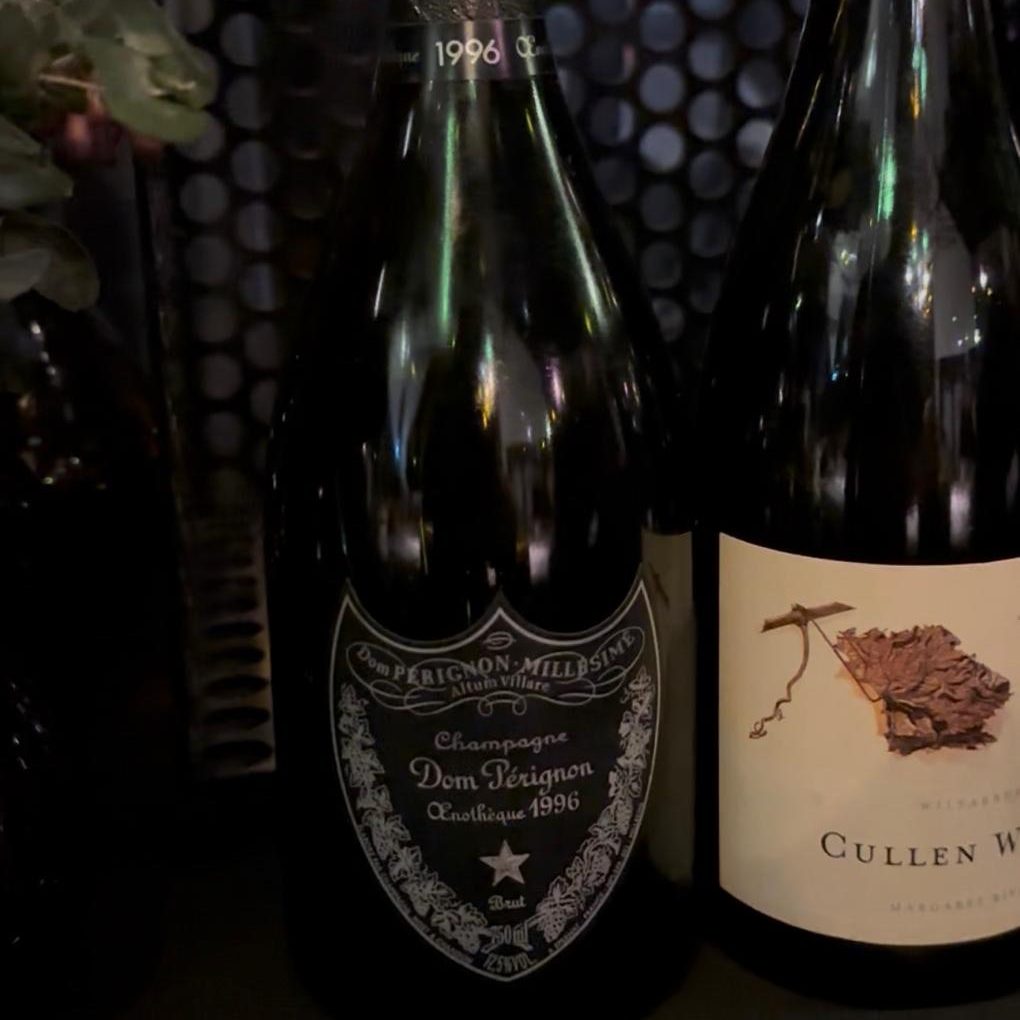
The other day, Ofa sent me a photo from a special wine event he had attended.
Like any wine person would do, I zoomed in.
Not because I was being nosy well, maybe just a little bit but because I wanted to see what was on the list.
And then one bottle caught my eye:
Dom Pérignon Champagne Œnothèque Brut Millésime 1996.
I looked at it and said to Ofa over the phone:
“Hold on… you tasted a Millésime Champagne?”
He came back and asked me:
“What is a Millésime Champagne?”
And I smiled.
Because I knew straight away, this was going to be special.
Not just because it was Dom Pérignon.
Not just because it was from 1996.
But because that word Millésime carries a story.
It tells you this Champagne is not just about bubbles.
It is about one year.
One harvest.
One moment in time, captured in a bottle.
So let’s keep it simple.
Millésime simply means vintage.
In Champagne, when you see a year written on the bottle like 1996, 2008, 2012, or 2013 it means the grapes used to make that Champagne came from that single harvest year.
That is different from most Champagne, which is usually non-vintage. Non-vintage Champagne is made by blending wines from different years so the Champagne house can keep its signature style consistent.
But when a Champagne is called Millésime, the house is saying:
“This year was special enough to stand on its own.”
So, when can Champagne be called Millésime?
A Champagne can only be called Millésime when it is made from grapes harvested in one specific year.
But here’s the important part: Champagne houses do not declare a vintage every year.
Why?
Because Champagne sits in the north of France, where the climate can be cool, challenging, and unpredictable.
Some years are beautiful. Some years are difficult.
And some years just do not have the right balance of ripeness, freshness, structure, and ageing potential.
Champagne is not just about making something sparkle. It is about balance.
You need fruit, but you also need acidity. You need richness, but you also need freshness.
You need power, but you also need elegance.
That is why vintage Champagne often carries a little more weight, more story, and sometimes more emotion.
It is not just the house style. It is the story of that year.
Why most Champagne is non-vintage
Most Champagne we see on the shelf is non-vintage Champagne.
And that is not a bad thing at all.
Non-vintage Champagne is the heartbeat of Champagne. It is what most houses are known for.
This is the Champagne house saying:
“This is our signature style.”
The winemaker blends wines from different years, sometimes using reserve wines kept from previous harvests, to make sure the Champagne tastes consistent year after year.
Think of it like a chef making the same beautiful dish every season, even when the ingredients change slightly.
That takes serious skill.
A great non-vintage Champagne is about consistency, freshness, and pleasure.
You open it for celebrations, birthdays, family gatherings, weddings, or even just because you made it through a long week.
No judgement here.
Sometimes surviving the week deserves bubbles too.
Non-vintage Champagne vs Vintage Champagne
Non-vintage Champagne is usually made from a blend of different years.
Vintage Champagne, or Millésime, is made from one single harvest year.
Non-vintage Champagne must legally age for at least 15 months before release, though many good producers age it longer.
Vintage Champagne must legally age for at least 3 years before release. So, in simple terms:
Non-vintage Champagne is about house style and consistency with blends from different years.
Vintage Champagne is about one year, one harvest, one story.
Why people buy Champagne from a special year
This is the part I love.
Some people buy a Millésime Champagne not just because it was a great vintage, but because that year means something to them.
Maybe it was the year they got married.
The year their child was born.
The year they started a business.
The year they moved country.
The year they met someone special.
The year something beautiful happened in their life.
That is what makes vintage Champagne special.
It can carry a memory. You are not just opening a bottle. You are opening a year.
And sometimes, when the year was great in the vineyard and great in your life, that bottle becomes even more meaningful.
That is the beauty of wine. It can hold a moment and bring it back to life years later.
The Wine Chief way to look at it
For me, Millésime Champagne is not about trying to sound clever.
It is not about using French words to make wine feel complicated.
It is about understanding that wine can hold time.
A non-vintage Champagne is beautiful for celebration, sharing, and enjoying the moment.
But a vintage Champagne has another layer.
It tells you what the weather was like.
How the grapes performed.
What the winemaker saw in that harvest.
And why they believed that year deserved to be remembered.
So next time you see a Champagne bottle with a year on it, do not be afraid of the French word.
Just remember:
Millésime means vintage.
And vintage means that Champagne is carrying the story of one special year.
And in Ofa’s case, that bottle Dom Pérignon Champagne Œnothèque Brut Millésime 1996 was not just Champagne.
It was history in a glass.
It was patience in a bottle.
It was one year, given time to speak.
Drink with curiosity, celebrate the story, and never be afraid to ask what year is in your glass.
The Wine Chief