
How Has AI Impacted the Wine Industry?
Ofa asked me a great question Last week:
Now that is a question worth pouring a glass over.
Wine is one of the oldest crafts in the world. It is built on land, climate, people, tradition, and time. So when we hear the words Artificial Intelligence, it can feel a bit far away from the vineyard.
But the truth is, AI is already having an impact, from the vineyard, to the winery, to the way we buy and enjoy wine.
In the Vineyard
This is probably where AI is making one of the biggest differences.
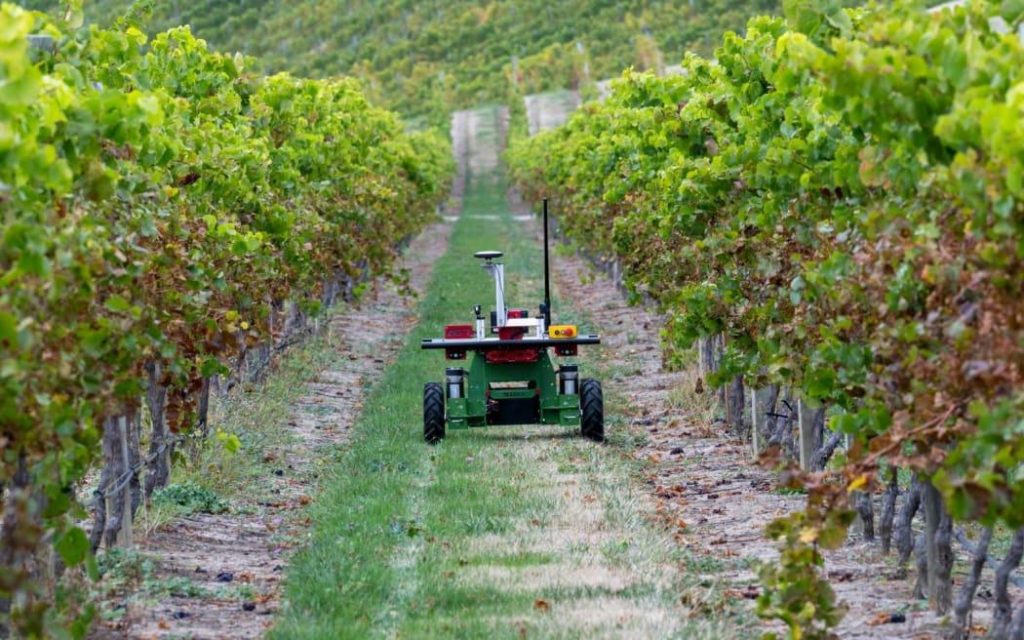
Growers are now using technology to help monitor vine health, detect disease, manage water, and predict harvest timing. Cameras, sensors, weather data, and vineyard mapping can help identify issues before they become major problems.
That means a grower can make better decisions around irrigation, spraying, pruning, and picking.
With climate change bringing more heat, frost, drought, and unpredictable seasons, this kind of information is becoming more valuable.
Business Decisions
I was talking to Dermot, a vineyard owner, and he mentioned something that really made me think. Some vineyards are now looking at crafting or grafting their vines to produce table grapes, because premium table grapes can be sold into markets like Japan for around $60 akilo.
Dermot said he is thinking of doing the same thing.
That is a big shift.
For a wine lover, the thought of changing vineyard land away from wine grapes can feel a little heartbreaking. But from a business point of view, you can understand it.
Growers are asking serious questions:
Is this block still profitable?
Should we replant?
Should we graft onto another grape variety?
Can this land produce a better return another way?
This is where AI and data become powerful. It is not just about growing grapes anymore, it is about understanding what gives the best return, the best cash flow, and the best chance of long-term survival.
In the Winery
Inside the winery, AI can help monitor fermentation, temperature, acidity, and quality control.
It can alert winemakers when something is not tracking properly, help manage barrel programs, and even support blending decisions.
But let’s be clear.
AI does not replace the winemaker.
It does not have a palate, instinct, or memory. It cannot taste a wine and feel the story behind it.
It simply gives the winemaker another layer of information.
Selling Wine
AI is also changing how wine is sold.
Retailers, restaurants, and distributors can use AI to understand customer behaviour, manage stock, forecast demand, and recommend wines.
Wine apps and online platforms can suggest bottles based on what people already enjoy, helping make wine feel less intimidating for new drinkers.
And I like that.
Because anything that helps people feel more confident choosing wine has a place.
Has AI Changed the Soul of Wine?
For me, no. AI has changed the tools, but it has not changed the soul.
Wine is still about the land.
It is still about the grower.
It is still about the season.
It is still about the people around the table.
AI can help us farm smarter, waste less, adapt to climate change, and make better business decisions.
But it cannot replace the human touch.
It cannot replace the feeling of opening a bottle with family and friends.
Final Pour
So Ofa yes, AI has impacted the wine industry.
It is helping wineries become smarter, more efficient, and more prepared for the future.
But the heart of wine remains the same.
A bottle of wine is still a story of land, people, weather, patience, and time.
AI might help us understand that story more clearly.
But the joy of drinking it?
That still belongs to us.
The Wine Chief