
Agriculture vs Industrial wines
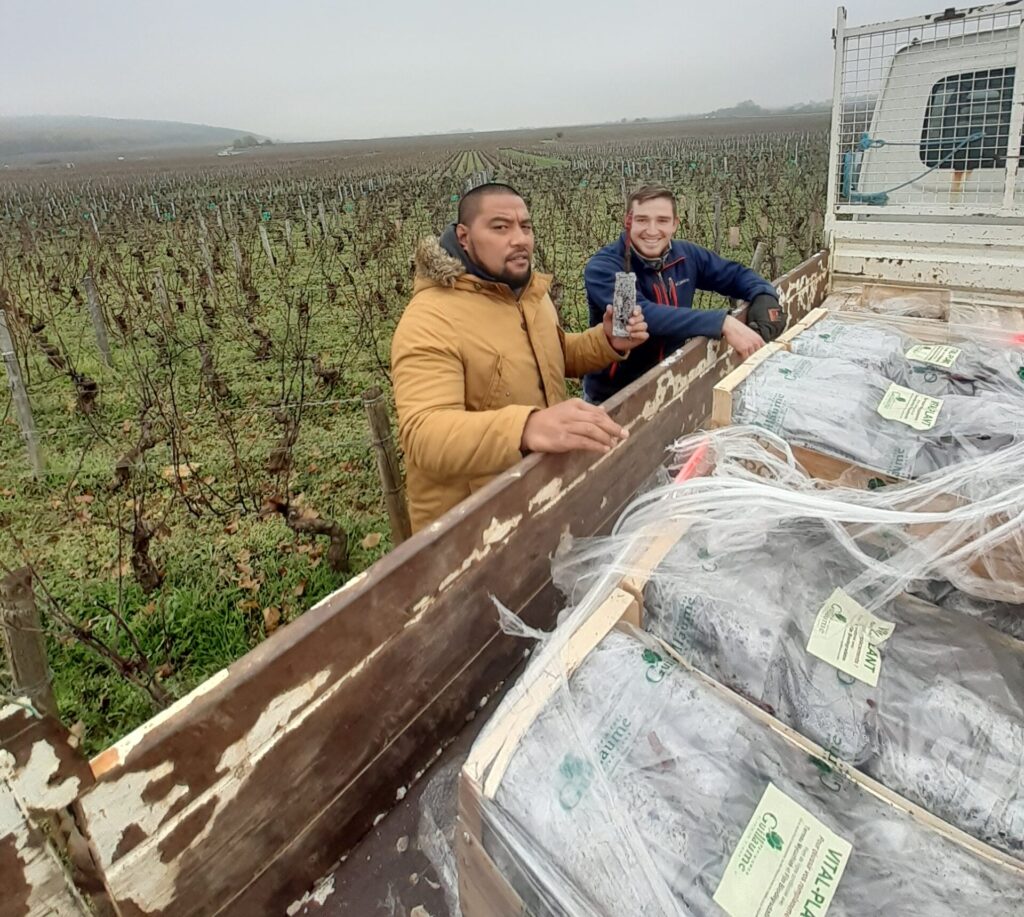
Has Winemaking Changed Forever?
“The greatest wines aren’t made by the busiest winemakers. They’re made by those who know when to let nature do the talking.”
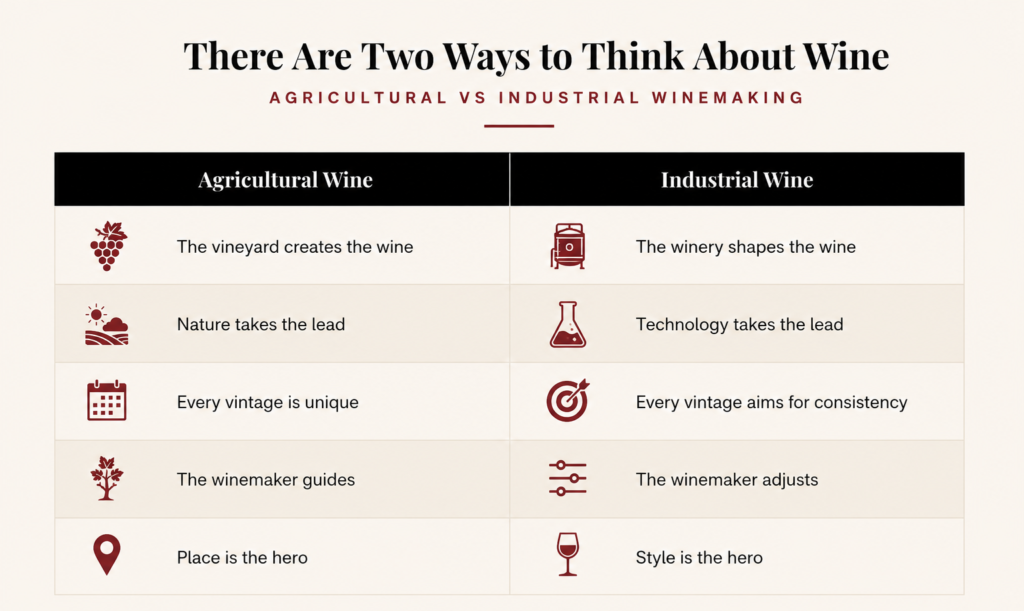
Is wine an agricultural product… or an industrial product?
For most people, the answer seems obvious. Wine comes from grapes. Grapes grow in vineyards. Therefore, wine must be agriculture.
But after spending years in the wine industry, living in France and visiting vineyards across Europe and New Zealand, I’ve come to realise the answer isn’t quite so simple.
Today’s winemakers stand between two worlds. One believes great wine begins and ends in the vineyard, where nature, climate and the growing season shape every bottle. The other embraces science and technology, using modern winemaking techniques to create consistency, precision and a style consumers recognise year after year.
Neither philosophy is inherently right or wrong. In fact, both have helped shape the incredible diversity of wines we enjoy today. But it does raise an important question:
Has winemaking changed forever?
One sentence from winemaker Julien Lecheneaut Nuits Saint Georges Burgundy France has stayed with me ever since:
“A lazy winemaker is a good winemaker.”
I remember smiling to myself and thinking, “Surely that’s not right.” How could a lazy winemaker ever produce great wine?
I realised he wasn’t talking about laziness at all. He was talking about trust – trust in the vineyard, trust in the fruit and trust in nature. If you’ve done the hard work growing exceptional grapes, then by the time they arrive at the winery, there should be very little left to “fix.” The winemaker becomes less of a creator and more of a caretaker, guiding the wine rather than changing it.
That single lesson completely changed the way I think about wine.
When the Winery Takes a Bigger Role
Modern winemaking has brought incredible advancements. Temperature-controlled fermentation, improved hygiene, laboratory analysis and precision equipment have all helped produce cleaner, more reliable wines than ever before.
Consumers also expect consistency. When someone buys their favourite bottle this year, they often hope it tastes much like the one they enjoyed last year.
To achieve that consistency, many winemakers use a range of legally permitted techniques to shape the finished wine. Depending on the style they are trying to achieve and the regulations of the country they are working within, this may include adjusting acidity, making sweetness adjustments where permitted, selecting cultured yeast strains, blending wines from different vineyards or vintages, or using oak alternatives to achieve a desired flavour profile.
These techniques are all legitimate tools of modern winemaking. They have helped make wine more approachable, affordable and consistent for millions of wine lovers around the world.
What I’ve Come to Appreciate
The more time I spend in the wine world, the more I find myself appreciating wines that require the least amount of intervention.
Not because technology is the enemy. Not because additives or adjustments are always wrong.
But because there is something incredibly honest about a wine that reflects the season, the vineyard and the hands that grew it.
I enjoy tasting a place. I enjoy tasting a season. I enjoy opening a bottle that reflects the weather, the soil and the decisions made months before harvest ever began.
Nature doesn’t repeat itself.
Why should wine?
The Wine Chief’s Final Thought
That lesson from France still echoes in my mind.
“A lazy winemaker is a good winemaker.”
Today, I understand it very different.
The best winemakers aren’t lazy at all. They simply know that the hardest work happens long before harvest. It happens in the vineyard growing healthy vines, respecting the seasons and understanding the land.
The greatest compliment you can give a winemaker isn’t that they created a great wine. It’s that they grew exceptional fruit and knew when to step aside.
Because sometimes the most remarkable thing a winemaker can do is allow the vineyard to speak for itself.
Perhaps that’s what makes wine so unique. It sits comfortably between agriculture and industry. Agriculture gives us the fruit. Industry gives us the tools.
But if you asked me where great wine truly begins, my answer will always be the same.
Before there was a winery, there was a vineyard.
Before there was technology, there was a growing season.
And before there was a winemaker, there was a farmer.
Great wine isn’t manufactured. It’s grown.
Semisi Telefoni
The Wine Chief