
Sometimes We Forget New Zealand Make Premium Wine
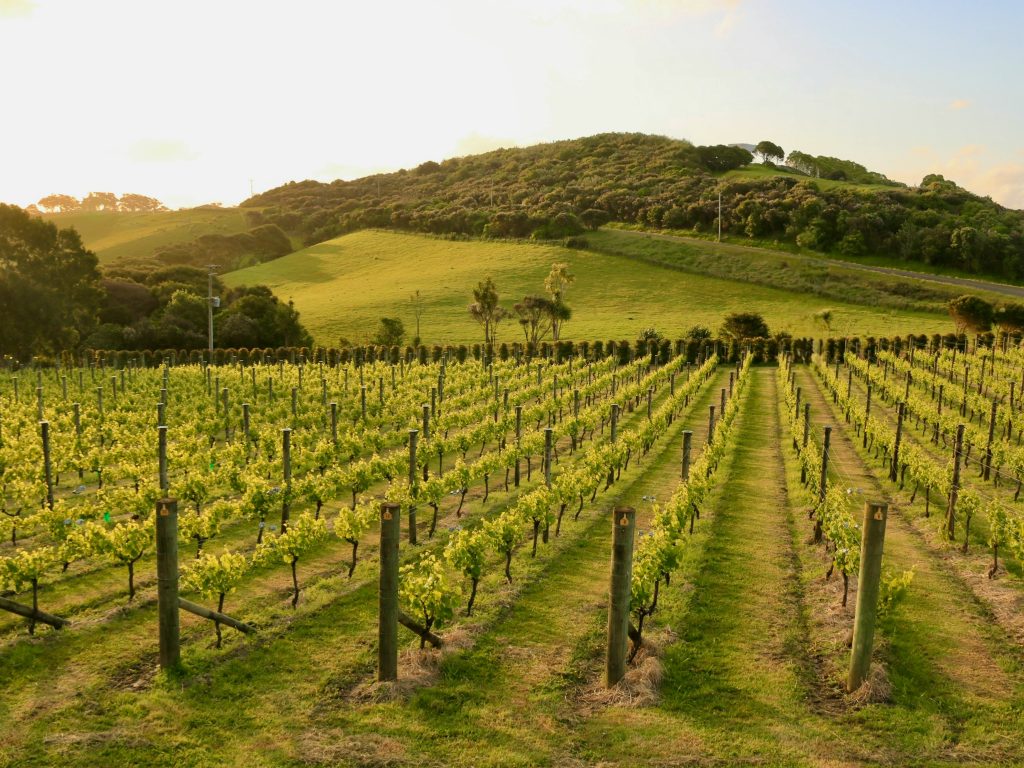
Malo e lelei, fellow wine explorers,
Last week, Ofa shared an article with me about the pressure facing the Australian wine industry, with one story focusing on Chapel Hill, a winery having to make some very hard decisions in a challenging market.
When we talk about vineyards closing, we are not just talking about land. We are talking about families, years of work, people who planted vines with hope, worked through the seasons, fought through weather, vintage after vintage, and poured their time, money, and heart into the land. For some growers and wineries, this is not just business. This is livelihood, legacy, and identity.
As The Wine Chief, I feel for them. Wine has always been more than a bottle to me. It is people, place, sacrifice, and story. But after sitting with Ofa’s article, and after a conversation I had last week with winemaker Allan Gregory from Invivo, I also came away with another thought: New Zealand wine still has a wonderful future.
But maybe we need to remember who we are. We are not here to be the cheapest wine country in the world. We are not here to produce forgettable bottles that disappear on a shelf. We are capable of making premium wines that can stand proudly beside some of the best wines in the world.
Sometimes, with all the pressure, all the noise, and all the uncertainty, we forget that. We forget we make premium wine.
The pressure is real
The wine industry is under pressure, not just in New Zealand, but around the world. People are drinking differently, costs are higher, export markets are tougher, and producers are having to think carefully about what they plant, what they make, and how they sell. New Zealand is not immune to that.
When vineyards are pulled out or wineries close, that is a serious moment. Behind every vineyard is a person or family who took a risk. They planted vines before they had wine to sell. They waited years before the land gave them a crop. They believed in the soil, the region, and the future. So when that journey becomes too hard to continue, it deserves respect.
But pressure does not always mean the end. Sometimes pressure forces an industry to ask better questions. What are we really good at? What should we protect? Where should we stop chasing volume? And where should we stand firm on quality?
New Zealand is not a volume story
New Zealand wine has never been about being the biggest, and that might be our strength. We are a small country at the edge of the world, but our wines have travelled far. Our bottles sit on wine lists, in restaurants, and on shelves across the world because people recognise something in them: freshness, purity, energy, and place.
New Zealand Sauvignon Blanc changed the game. Marlborough gave us a global voice and created one of the most recognisable wine styles in the world. But New Zealand is more than Sauvignon Blanc. We make world-class Pinot Noir, serious Chardonnay, beautiful Riesling, Pinot Gris, Syrah, Albariño, Chenin Blanc, Méthode Traditionnelle, and wines that speak clearly of place.
Central Otago Pinot Noir, Martinborough elegance, Hawke’s Bay Syrah and Chardonnay, North Canterbury texture, Waiheke Island power, Marlborough freshness, Gisborne generosity, and Nelson charm, New Zealand has range. More importantly, New Zealand has quality.
If we only talk about price, volume, and export pressure, we risk forgetting the deeper truth: our future is not in being the cheapest bottle. Our future is in being the bottle people remember.
Premium does not mean expensive for no reason
When I say New Zealand needs to remember it is a premium wine producer, I do not mean every bottle needs to be expensive. Premium is not about putting a fancy label on a bottle and charging more. Premium means care.
It means the land matters. It means the grower matters. It means the fruit is respected. It means the winemaker is making decisions with purpose. It means the wine has identity.
A premium wine does not have to shout. Sometimes the best wines are quiet, balanced, and honest. But you can feel the difference when the fruit was grown well, when the winemaker did not try to force the wine into something it was not, and when the bottle carries a sense of place.
That is where New Zealand can stand tall. We may not always compete with countries that produce huge volumes at lower prices and maybe we should not try. Our strength is not being the cheapest. Our strength is being trusted for quality.
Premium wine needs premium standards
This is where I think New Zealand wine has to have an honest conversation. If we want the world to see us as a premium wine country, then we also need to protect what premium means.
Premium cannot just be a marketing word. It has to start in the vineyard: high-quality fruit, respect for the land, and a commitment to protecting the regions that have given New Zealand its reputation. It also means asking whether our regional rules are strong enough to protect quality for the long term.
This is where I look at places like Burgundy and Champagne. They did not become famous by accident. They built systems around place. In Burgundy, the village, vineyard, slope, soil, and history all matter. A wine is not just “Pinot Noir from France.” It is connected to a specific place, with a specific identity, protected by appellation rules and generations of understanding.
In Champagne, the name Champagne is protected because the region protects the process, the grapes, the place, and the standards. Not every sparkling wine can call itself Champagne, and that is the point. That protection creates trust.
New Zealand does not need to copy France exactly. We are a New World wine country, and that gives us freedom, creativity, and freshness. But if we want to sustain premium quality, maybe our wine regions need stronger guardrails, not to make life harder for producers, but to protect the good ones.
Stronger standards can protect growers who care about quality fruit, protect regions that have earned global respect, and protect the name on the bottle so it means something. If everything becomes about volume, price, and quick sales, we risk weakening the very thing that made New Zealand wine special.
The Wine Chief way to look at it
I do not believe New Zealand wine is finished. I believe New Zealand wine is being challenged and there is a difference.
A challenge can sharpen you. It can force better decisions. It can remind you of your identity. Yes, some vineyards are closing. Yes, some growers are hurting. Yes, the industry has real work to do. We should speak about that with care, but we should also speak with confidence.
New Zealand wine still has something special. We have the land, the climate, the people, the growers, and the winemakers who care deeply about what goes into the bottle. We have wines that can stand proudly beside some of the best in the world.
Maybe this is not the time to lower our heads. Maybe this is the time to remember our value, protect our regions, lift our standards, back quality fruit, and tell the world with humility and confidence:
We are a premium wine country. And we should never forget that.
Malo ‘aupito
Semisi Telefoni — The Wine Chief