
why champagne makes you feel good
I went to the best place I could think of to find out… in the Champagne region in France, I was finishing a diploma in European Wine Law at the Université de Reims, which was a link up with my MSc of Science in Wine Business major. There were 16 of us in class, from the USA to Mexico, China to Germany and then me, a Tongan from New Zealand. I felt grateful, lucky and fortunate. No egos, no grandstanding. Just open notebooks, clean glasses, learn and a shared plan to taste as many Champagnes as we could… in Champagne.
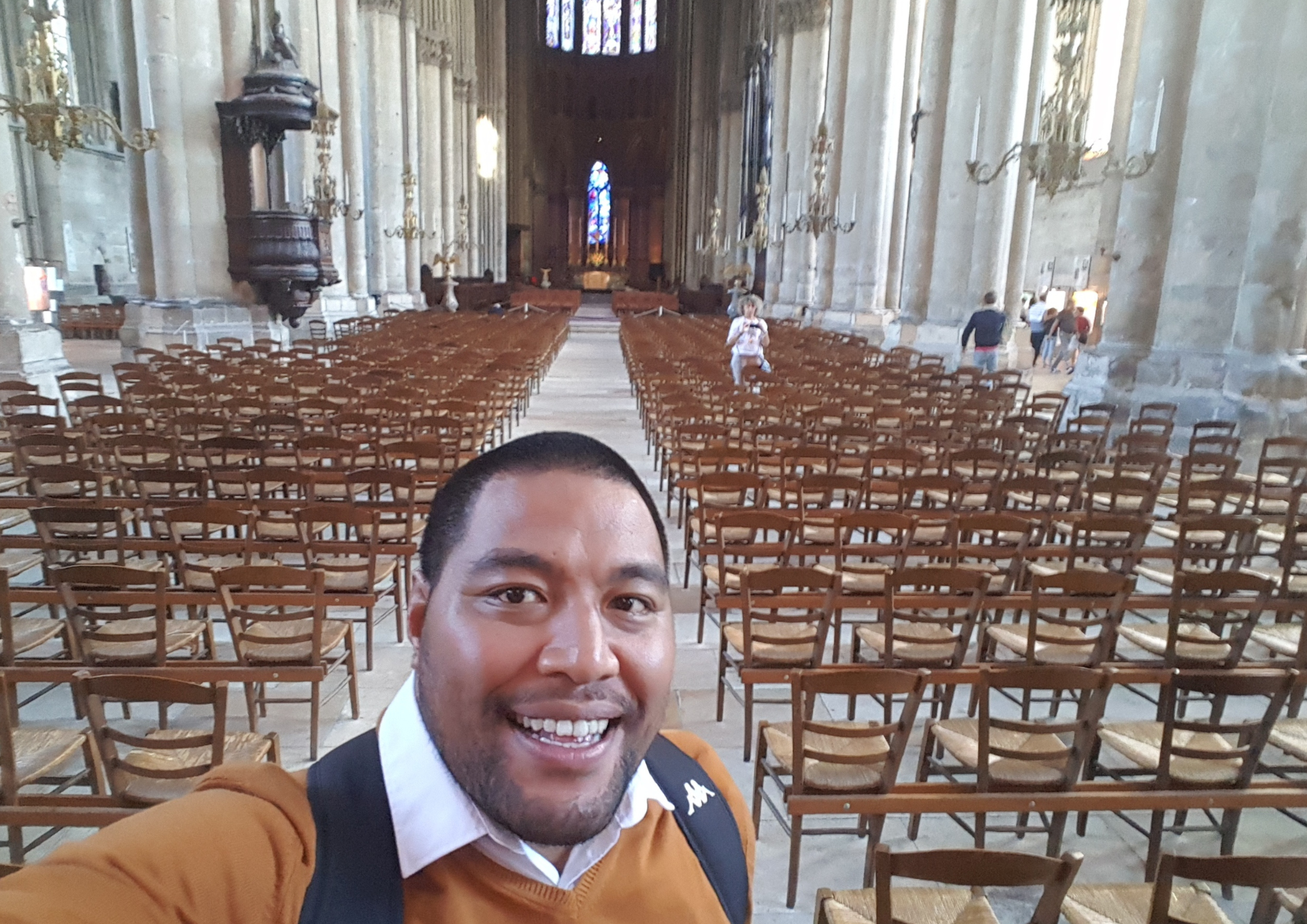
Most of our year was spent in class in Dijon, but as the final exams drew near we hopped in a bus to Reims sub region of Champagne, where the syllabus turned deliciously practical. Between tastings I slipped into the Cathédrale Notre‑Dame de Reims, the 13th‑century masterpiece where the kings of France were anointed and felt very small. I even sang a Tongan hymn (only I could hear myself, lol) and walked out with goosebumps. For one week we tasted our way through business models as much as cuvées, the quite cellars and polished salons of Krug, Veuve Clicquot, and Moët & Chandon and the smaller grower houses I found myself drawn to even more, places where the chalk still clung to your shoes and the winemaker poured from a hand labelled bottles.
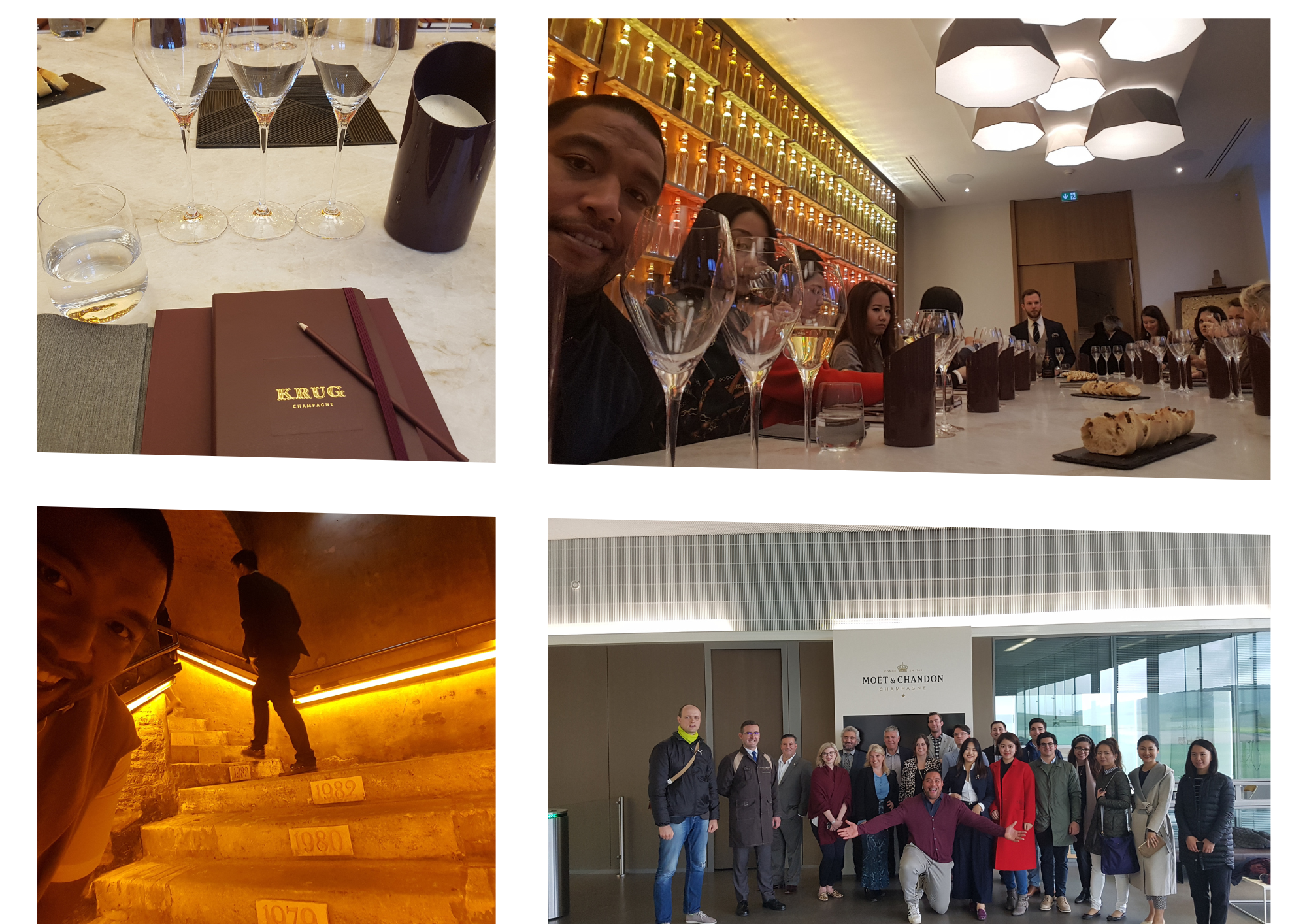
I could write a newsletter for every visit (and maybe I will), but today I’m pouring two stories into your glass. First, why small Champagne houses can make the heart, and the palate, leap. Second, how the region’s guardians protect the word “Champagne” so that what’s in your flute means something real. Top up your glass. Let’s begin.
As I walked through the big Champagne houses of Champagne, a pattern emerged. Pallets glided past on automated forklifts from a single control room, thousands of bottles turned in silent unison on gyropalettes, modern way for hand‑riddling. It was impressive, almost orchestral, and it made clear how Champagne earns its billions each year. It was like a movie!
But what really moved me was the small family Champagne houses. The wines tasted different, yes but so did the story. These growers farm their own grapes, learn each row over seasons, and make picking, pressing, and blending decisions that honor specific sites. You can feel that closeness in the glass. The land and the winemaker shake hands, and the wine does the talking.
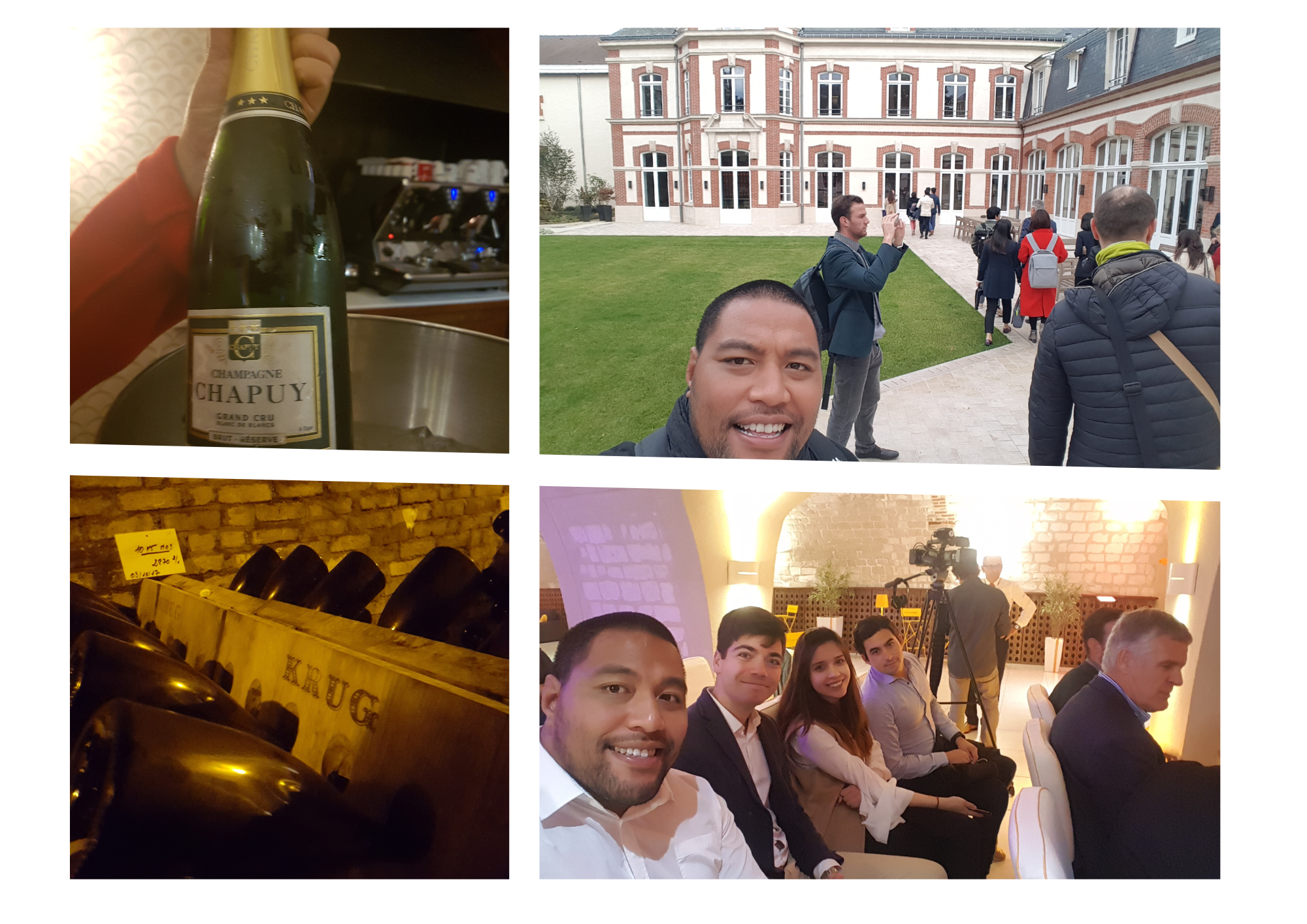
If I had the chance to take a tour group, I would only take them through to the smaller Champagne houses, you get better value, you learn more about the terroir and how it reflects in their wines and the lovely experience was unforgettable!
As your Wine Chief, let me be clear, without the CIVC, the Comité Interprofessionnel du Vin de Champagne this region wouldn’t hum in tune. They bring growers and houses to the same table to set the annual picking limits and steward the reserve system, smoothing out tricky vintages and protecting value for everyone from vigneron to voyager. Just as crucial, they police the word “Champagne” with the tenacity it deserves, keeping the name recognised and defended in well over a hundred countries so what’s poured under that label comes from this place. Behind the scenes, they invest in quality, traceability, and sustainable winegrowing, boring on paper, brilliant in your glass. And because scale matters, remember this is a global, multi‑billion industry: 271 million bottles shipped in 2024, with sales measured in the billions. In short, the CIVC is Champagne’s firewall, standards board, and diplomatic corps rolled into one the protector of the name, the method, and the long game.
My takeaway is simple, being in Champagne changed everything. In the big champagne houses, I saw scale done with care, pallets gliding past, thousands of bottles turning on gyropalettes, proof that consistency at volume can still deliver joy. In the growers kitchen and chalky cellars, I felt something different: a closeness to vine and site that you can taste, decisions made row by row, season by season. And through the CIVC I understood how the region protects its name and its future, so that what’s in your flute belongs to this place. I left Champagne with chalk on my shoes and a new compass, reach for wines with a clear sense of who grew them and where, respect the houses for the craft they orchestrate, and thank the guardians who keep the standard high. That’s why Champagne makes you feel great it’s bubbles, yes, but it’s also people, place, and purpose.
Malo ‘aupito.