
What the Sticker Does Not Tell You
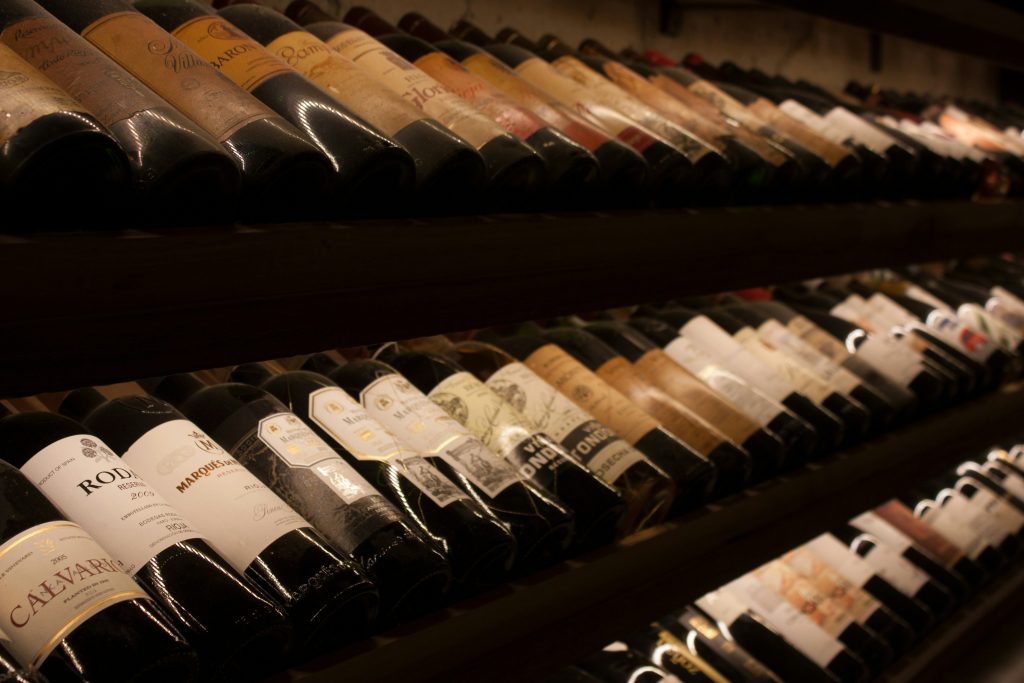
A season can’t be scored
The gold sticker catches your eye first.
90+ points. Medal. Award winner.
It offers comfort. Reassurance. A quick decision in front of a crowded shelf.
But the sticker doesn’t tell you about the frost that came late.
Or the rain that wouldn’t stop at harvest.
Or the grower standing in the vineyard wondering whether to pick now… or wait one more day.
Because before that sticker existed, there was a season.
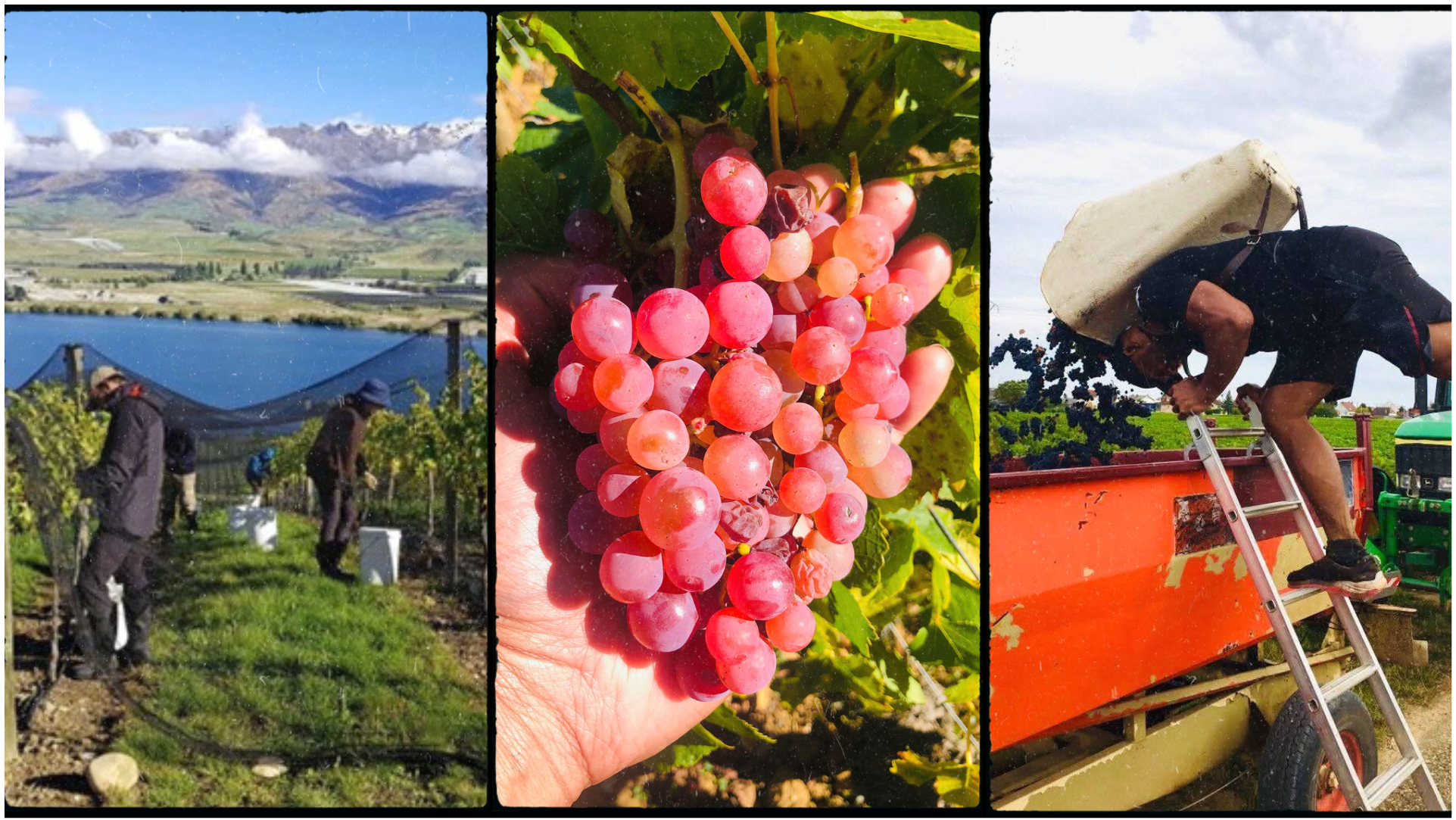
And before the number, there were hands.
That’s the part of wine we’re starting to listen to again.
To bring clarity to a complex wine world, someone eventually decided to count.
In the late 1970s, enter Robert Parker.
Through Wine Advocate, Parker introduced the 100-point scoring system. The idea was simple and powerful: give everyday drinkers a clear, independent way to judge quality, no château privilege, no old-world bias. Just the wine in the glass.
It worked.
A high score could change a winery’s future overnight. Prices rose. Allocations disappeared. Confidence grew. Soon others followed. Wine Spectator, competitions, critics, shelf talkers.
Points became the common language of wine.
A Burgundy Moment I’ll Never Forget
While playing rugby in Burgundy, I was closely tied to a local winery, the kind of place where wine and life were one and the same. One day, they received word: Parker was coming.
No fanfare. No announcement. Just quiet nerves.
He tasted. Asked a few questions. Took notes. And then… left.
No nod.
No smile.
No hint whether the wines were good or not.
The cellar went quiet.
What followed was the hardest part – waiting.
Weeks. Sometimes months. Waiting for the magazine, the paper, the release of the points.
That single number had the power to lift a vintage… or quietly humble it.
The mixed feeling was real: pride in their work, confidence in their vineyards but also vulnerability. A full season of decisions, weather, and hard work distilled into a number they couldn’t control.
That moment stayed with me.
A New Zealand Reality
Here in New Zealand, points are still very present, especially on supermarket shelves.
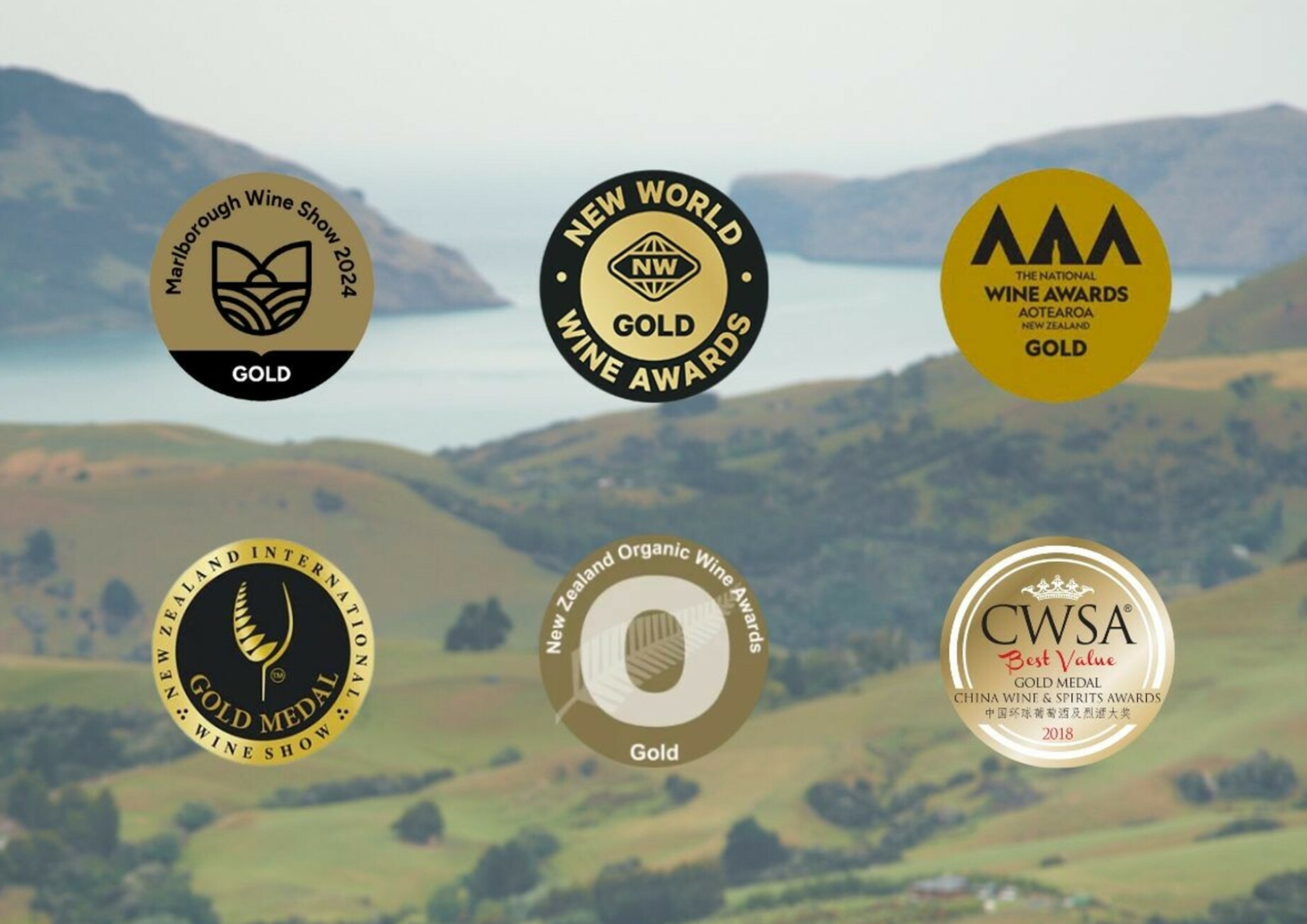
Those gold stickers, 90+ badges, and award flashes play an important role. For many shoppers, they’re a guide, a quick boost of confidence when standing in front of a wall of labels. And that’s okay. That’s what they were designed for.
But they’re also marketing tools.
They don’t tell you about the frost in spring.
The rain at harvest.
Or the decisions made when things didn’t go to plan.
They point you in a direction, they don’t tell the whole story.
Where New Zealand Fits In
For New Zealand, scores mattered a lot.
As a young wine nation, points helped open doors globally. A strong number next to Marlborough Sauvignon Blanc or Central Otago Pinot Noir said: this small country knows what it’s doing.
And the quality backed it up.
But over time, styles shifted. Wines began chasing what scored well, bigger flavours, louder profiles, wines built to stand out quickly in a tasting lineup.
Now, something is changing again.
People still respect scores but they’re no longer the first question.
They want to know:
- What kind of year was it?
- Was the season kind or cruel?
- Who was in the vineyard when things got tough?
Because wine is agriculture before it is anything else.
Before the label. Before the sticker. There was a season.
The Wine Chief Thought
A score can tell you if a wine is well made.
A story tells you why it tastes the way it does.
So next time you reach for a bottle, sticker or not, pause for a second.
Think about the vineyard.
The waiting.
And the year it took to reach your glass.
That’s where wine feels human again. — The Wine Chief