
The Right Pour | No. 2
OK, so a quick note before we get into it. The first Right Pour was probably more a reflection on myself than anything else. Reading it back, I could see my own habits in every single one of those grape personalities. Funny how that works.
Anyway. On to this one.
Also, I do use AI to do the research here. I want to be upfront about that. There are back links to the sources for further reading if it helps. The information I pull together is out there for anyone to find, whether they are browsing Google or asking one of the LLM’s (larger language model).
What I try to do is put together prompts that really dig into what is out there, and then share what comes back in a way that is useful and easy to follow. That is the point of this series.
Learn with me: How to Use Shiraz
Part 1: The Grape Varietal
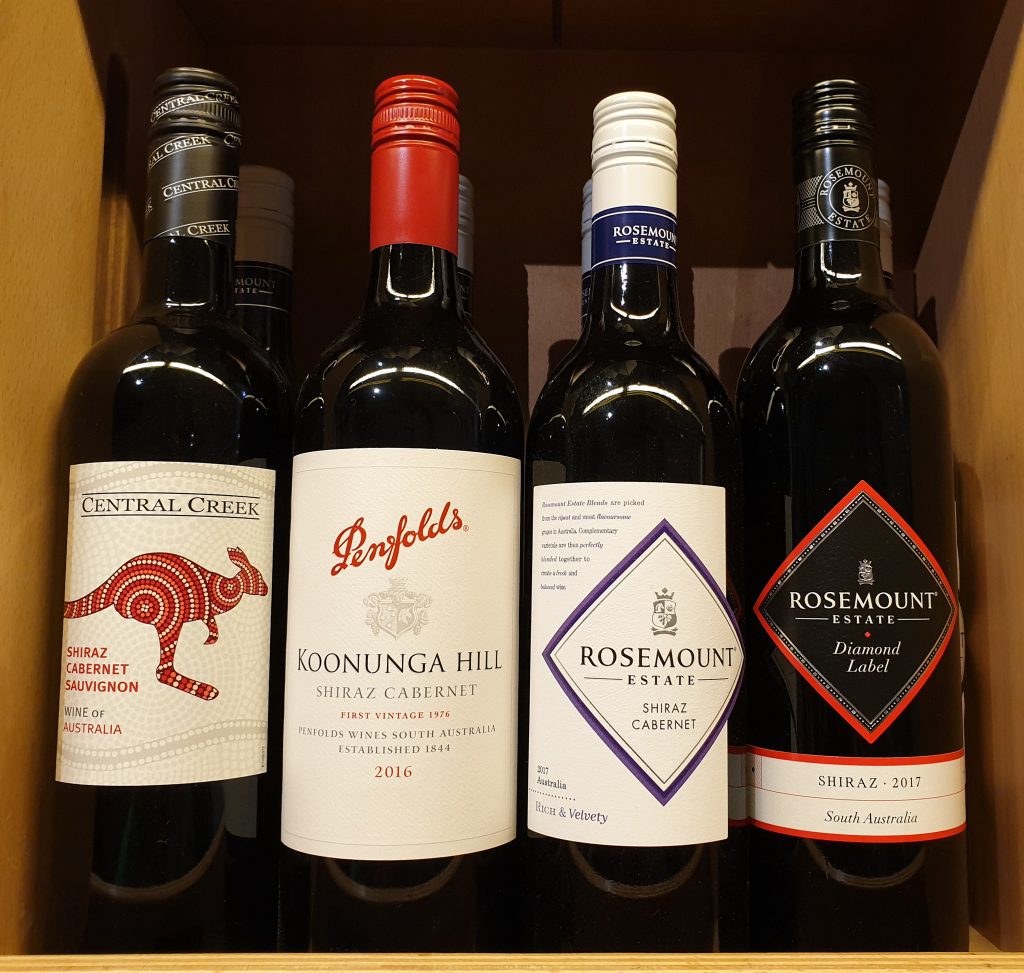
What is Shiraz?
Shiraz is Australia’s grape. Full stop. The history of Shiraz in Australia stretches back over two hundred years, with the first cuttings brought over by British pioneers, and it has since become the most grown grape on the continent. Wine-Searcher You already know it — whether it was at a rugby lunch, a backyard barbecue, or a bottle you grabbed off the shelf because the label looked good. That dark, bold red that fills the glass and somehow just fits the moment. That’s Shiraz.
What’s in the glass?
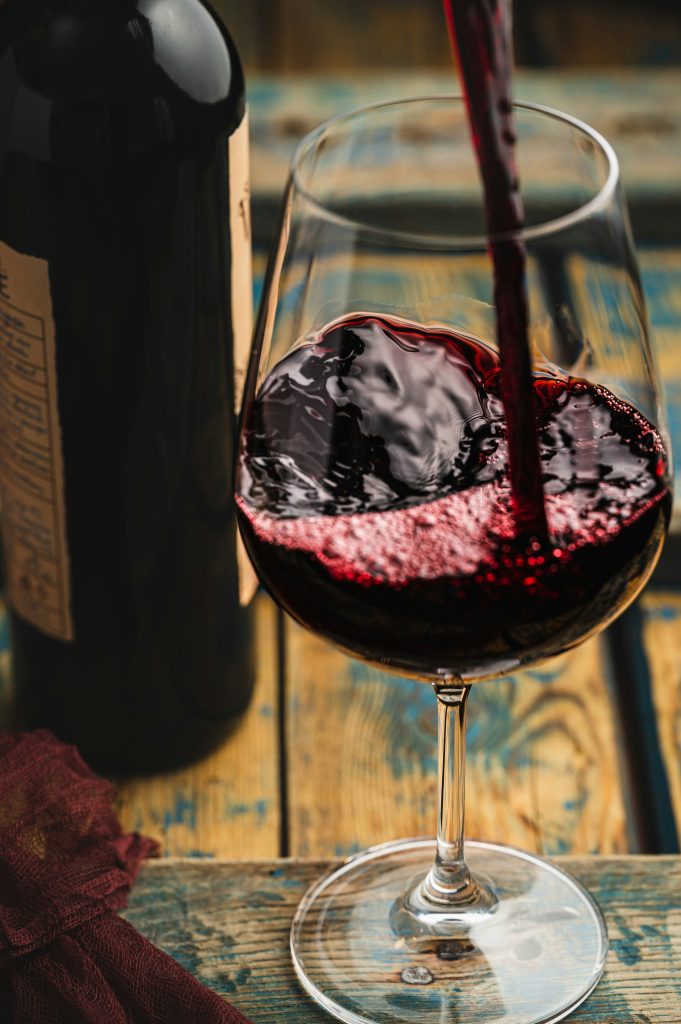
The first thing you notice is the colour. Shiraz wines range from deep ruby-red to a rich purple hue. In their youth they can appear almost inky and opaque. Vinerra It looks serious before you even take a sip.
On the nose, Australian Shiraz is known for dark fruits — blackcurrant, black cherry, blackberry — alongside pronounced black pepper, mint, liquorice, star anise, and notes of chocolate and tobacco. Wine-Searcher On the palate, the warmer Australian climate gives you plum, blackberry, black cherry, and blueberry — fuller in body, smoother in tannin than its French counterpart. Vinerra There’s often a spicy, peppery kick on the finish that lingers just long enough to make you reach for another sip.
Where does it come from — and what should you look for?
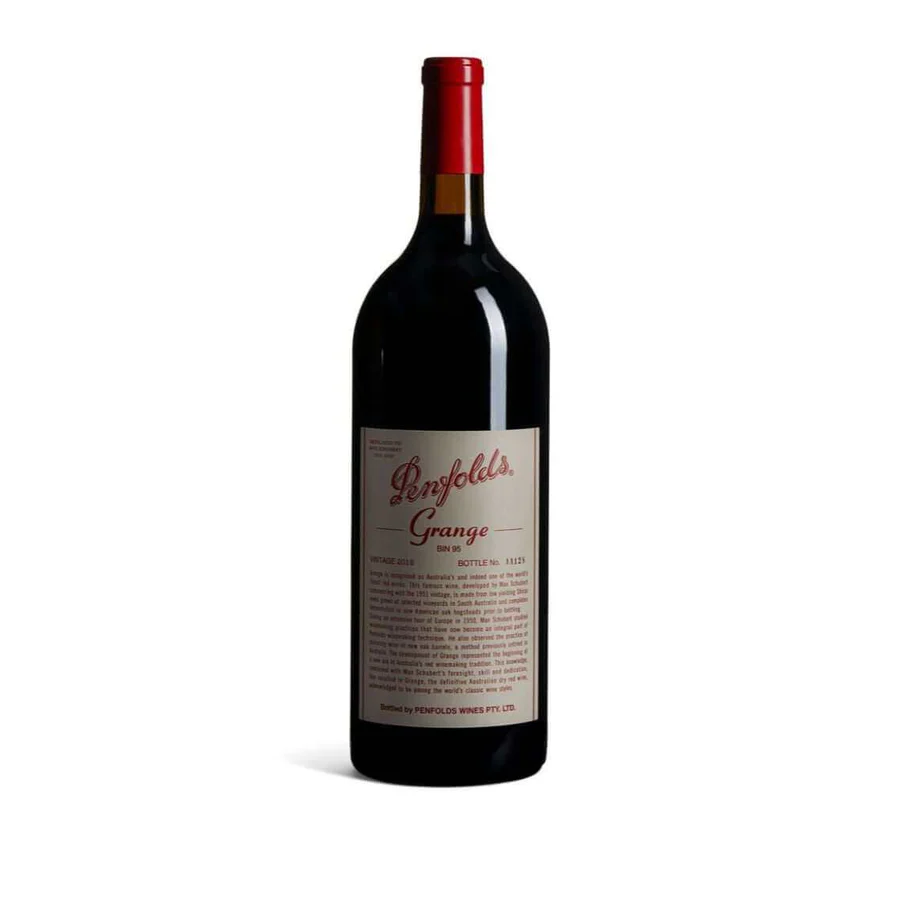
In Australia, the key regions are the Barossa Valley, Eden Valley, Clare Valley, McLaren Vale, Hunter Valley, Heathcote, and the Yarra Valley. Wine-Searcher The Barossa is probably the name you know best — and for good reason. Penfolds, one of Australia’s most recognised wine names, comes from there. Other labels worth picking up include Wolf Blass, d’Arenberg, and Brokenwood from the Hunter Valley. In New Zealand, Hawke’s Bay produces some of the most exciting examples from across the Tasman. Young Gun of Wine
Food pairing — why Shiraz works so well at the table
Part 2: The Pairing
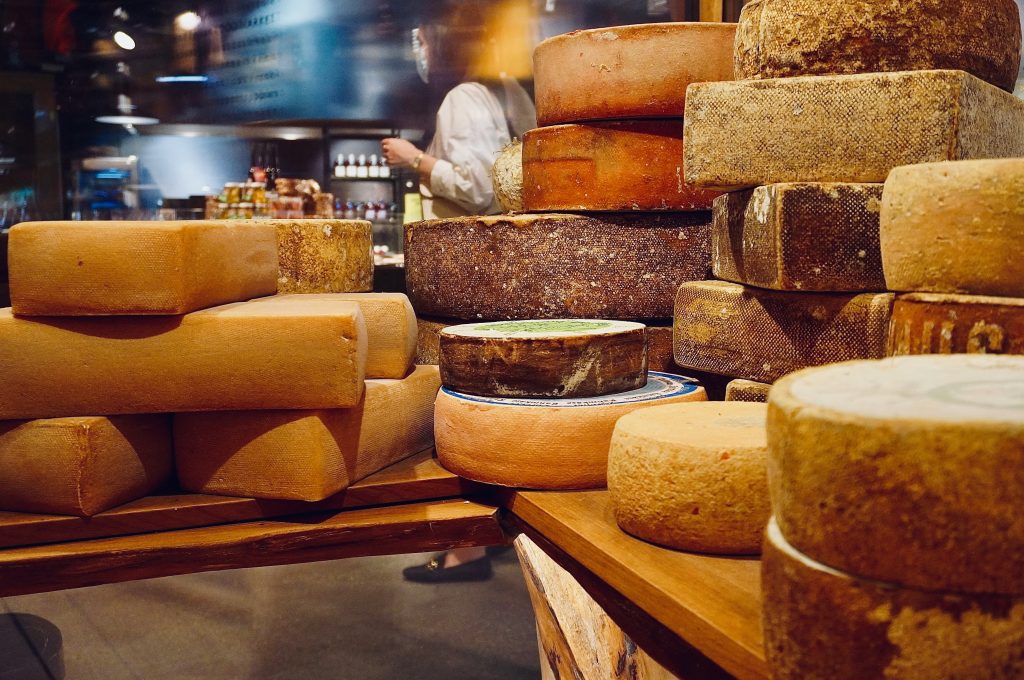
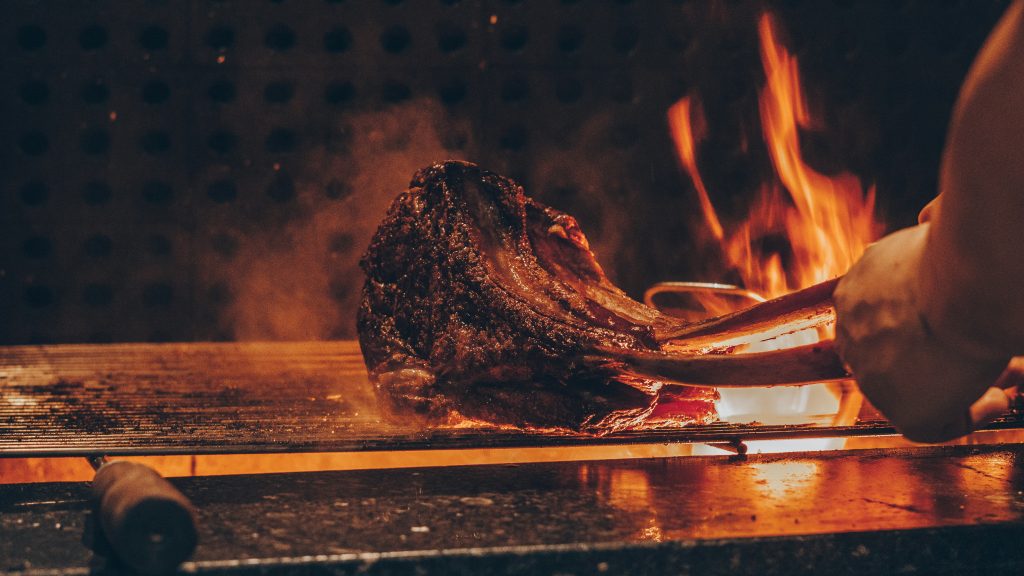
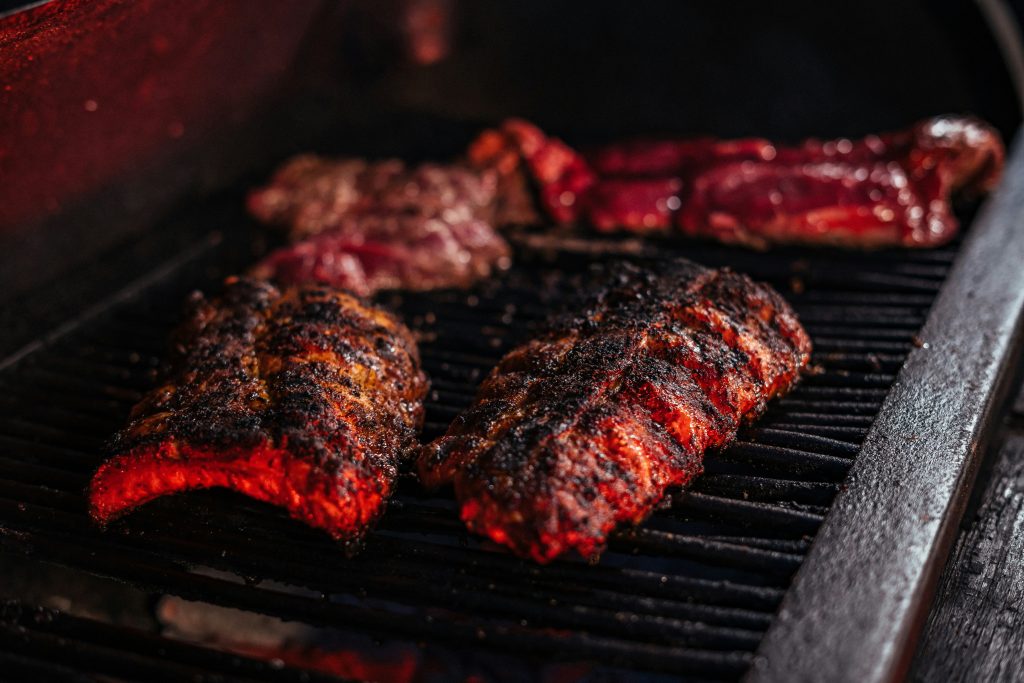
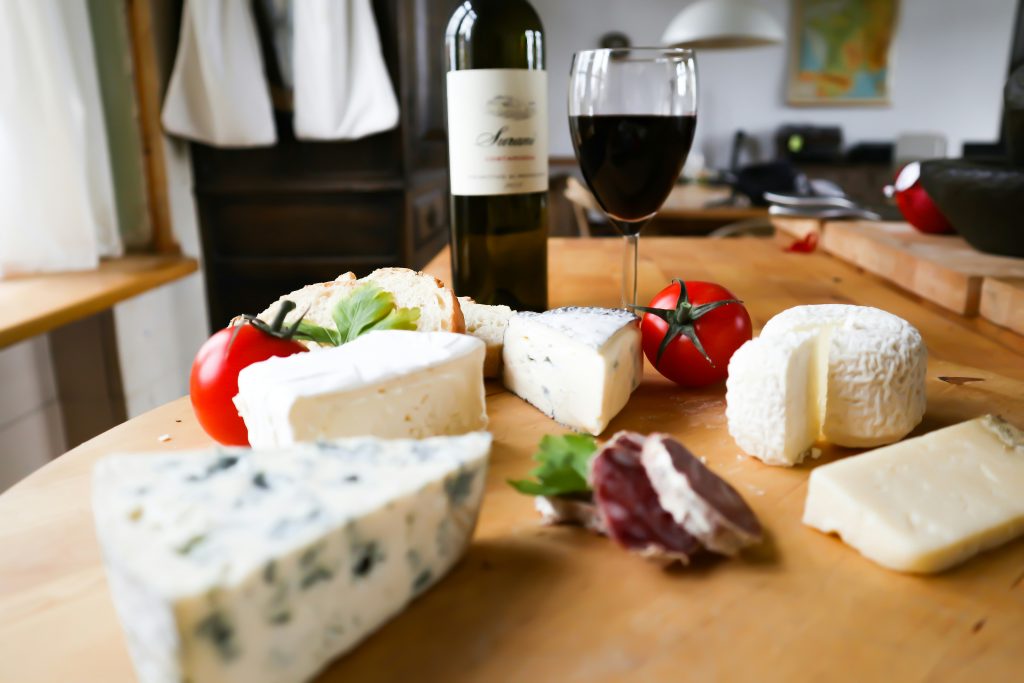
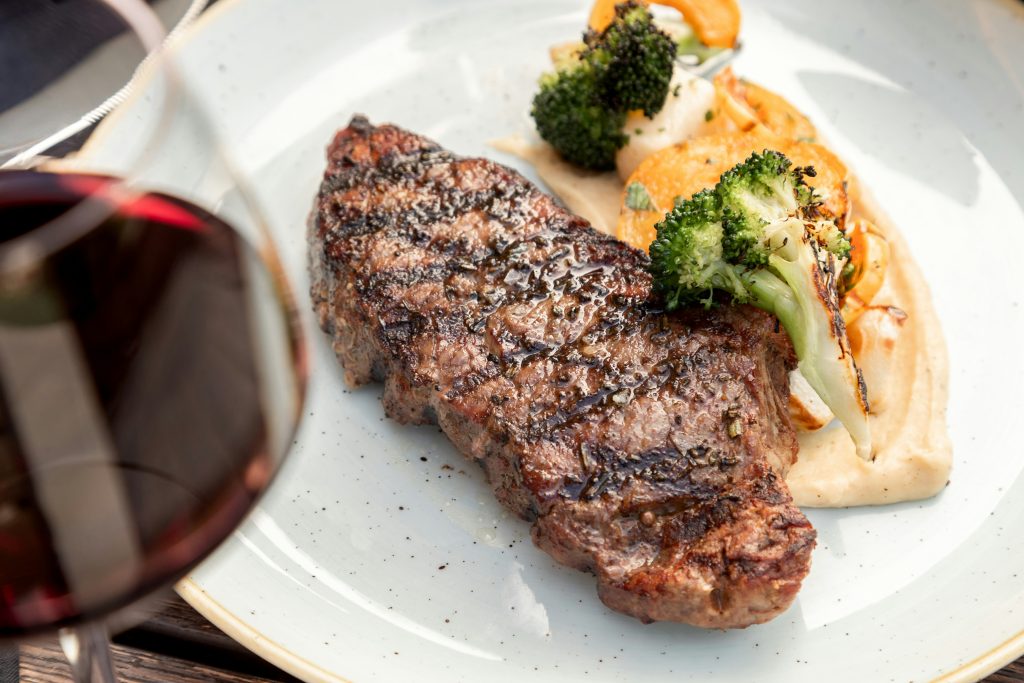
Shiraz is a bold wine, so it needs food with confidence. The general rule is simple — big bold flavours in the wine call for big bold flavours on the plate. Wine Compass Whether it’s smoky ribs, rich stews, grilled vegetables, or aged cheese, Shiraz brings something generous to the table — it doesn’t just work with food, it thrives on it. The Real Review The classic pairing is red meat, especially lamb and beef, where the tannins in the wine cut through the fat and both the food and the wine lift each other. BBQ is a natural home — the smoky char on the meat mirrors the spice in the glass perfectly.
Sources: Wine Folly, The Real Review, Wine Compass, Brokenwood, Drink & Pair, Unraveling Wine, Winery Sage, Matching Food & Wine — tallied by frequency of recommendation
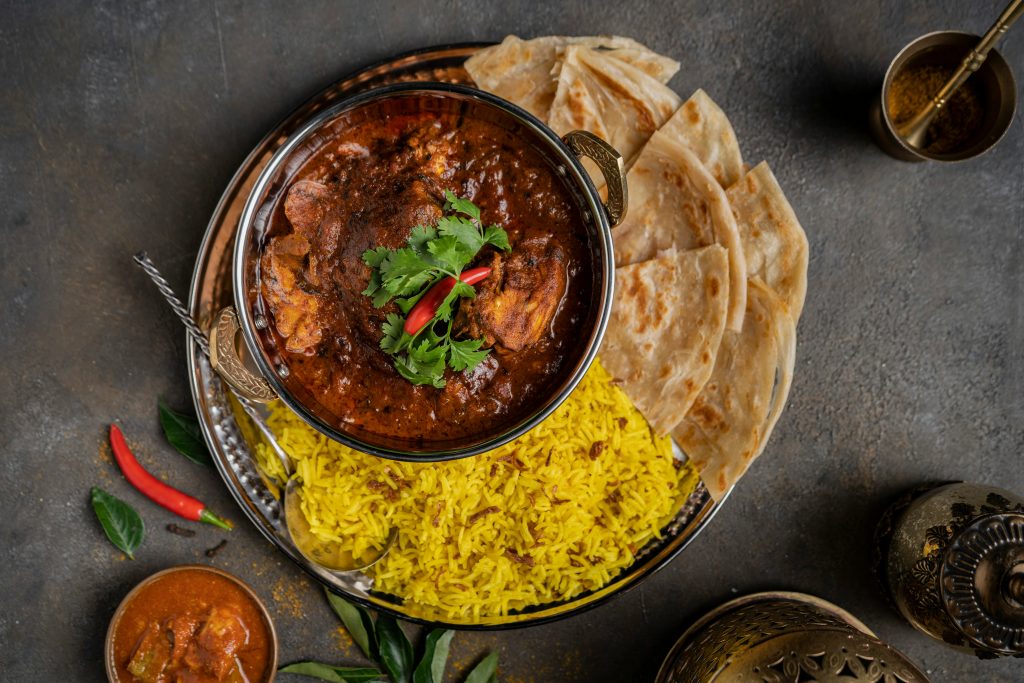
Lamb and beef/steak lead the pack — both recommended across 8 of the sources. BBQ follows closely at 7. Aged cheese and slow-cooked stews came in stronger than you might expect. Spicy dishes and vegetarian options like mushroom and eggplant are mentioned, but clearly sit in the “worth trying” category rather than the go-to.
Shiraz and a Late Night Cheeseburger
Part 3: My Take
So, Shiraz. Top of mind for me right now. Something easy to start with.
What I found interesting is that Shiraz is essentially an Australian grape. I kind of knew that. But learning that the first cuttings were brought over by British pioneers and it has since become the most grown grape on the continent, that context adds something. Probably helps that it can be grown across so many different climates too. Barossa, Eden Valley, Clare Valley, Hunter Valley. Most Australian regions grow it. And then you have Hawke’s Bay in New Zealand, which seems to be able to grow anything given the terrain and conditions over there.
For food pairings, the general rule seems to be big bold flavours in the wine need big bold flavours on the plate. Ribs, steak, lamb, charcuterie boards. Things with obvious flavour. I am not fully across the science of why they meld so well, but I trust it.
The data we pulled together from across the sites backs that up. Lamb and beef lead the tally. Game meats sit a bit lower but it makes sense because it is that same kind of deep meaty flavour profile. BBQ ribs and brisket, very flavourful cuts. But then you have aged cheese, spicy curries, mushrooms and eggplant which bring a completely different kind of flavour. And slow-cooked stews, which I found interesting. The long cooking process kind of draws everything out of the ingredients and you are just bathing in those flavours by the time it hits the table. You can see why Shiraz would match that.
The experience that stands out for me is sitting with Semisi, the Wine Chief, on one of my trips to Auckland to visit him. We were up at Bar Albert at the Voco Auckland, had a couple of beers, then retired back to the room where we shared a bottle of Marananga Shiraz from the Barossa Valley, made by Penfolds. I actually Googled what pairs well with it. The research pointed straight to meaty flavours, same as what came up in this series. So I ordered a burger. Late night, about 10pm. Big meaty cheeseburger. Two of my favourite things, together.
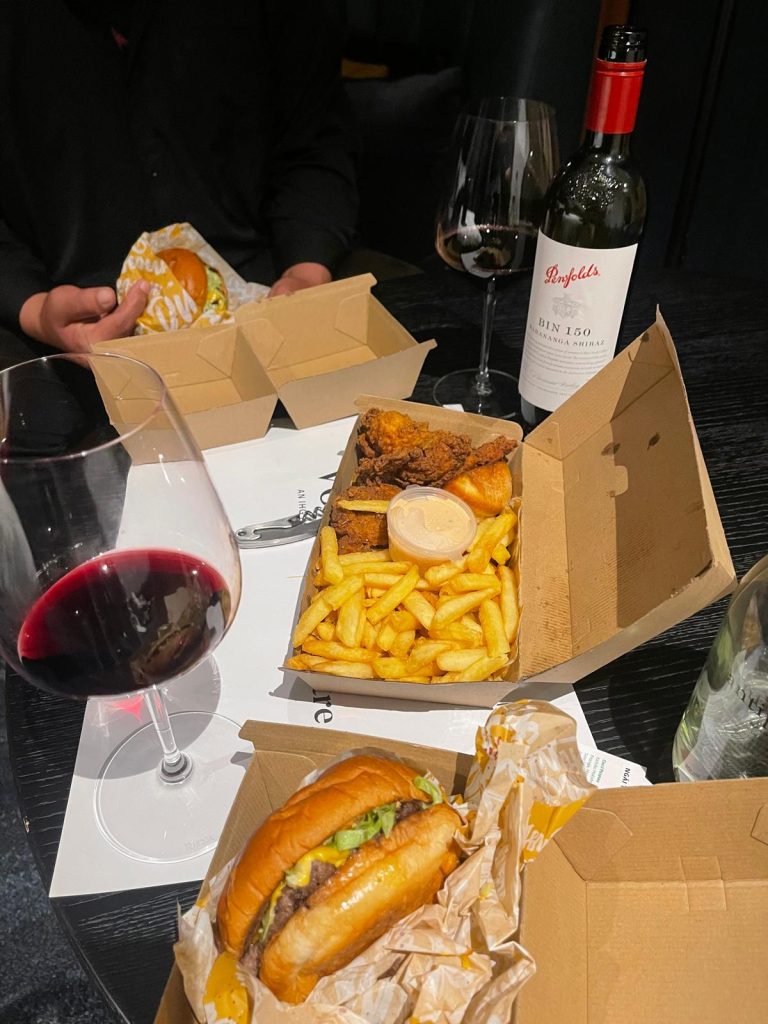
My palate is very simple and my tasting vocabulary is almost non-existent. I was more excited about the experience than anything technical. But watching Semisi enjoy that combination, he loved it. And I just loved the whole thing. Treating ourselves to a nice bottle and then actually finding something that paired well through the expertise that is available if you just go looking for it.
Now that I have more of a foundation on Shiraz, the grape itself and the pairings and why they work, I am interested in exploring further. The science of it. But I also keep coming back to what someone said in a podcast I listened to. People just want to know how to use it.
So for Shiraz, find that meaty flavour profile. Your lamb, your beef, your pork. American BBQ works a treat. But also, do not sleep on the spicy curries and aged cheese. Shiraz apparently has a jammy finish, that slight sweetness at the end, and the mouthfeel is quite smooth. I would be curious to try it against a spicy curry or a proper aged cheese.
And would it be sacrilege to pair a Shiraz with a beef bourguignon? I honestly do not know. But that is the exciting part of all this. The pairing is what completes the experience. Whether that is a grand dinner or a late night hotel room with a meaty cheeseburger.
ofahelotu