
The No/Low Wave: Still a Wine Moment
Before I write this week’s wine blog I would like to take this moment thank Ofa for covering last week’s Premier Pour while I was tied up with family and helping my brother Colin with the move and the new house. I really appreciate you stepping in.
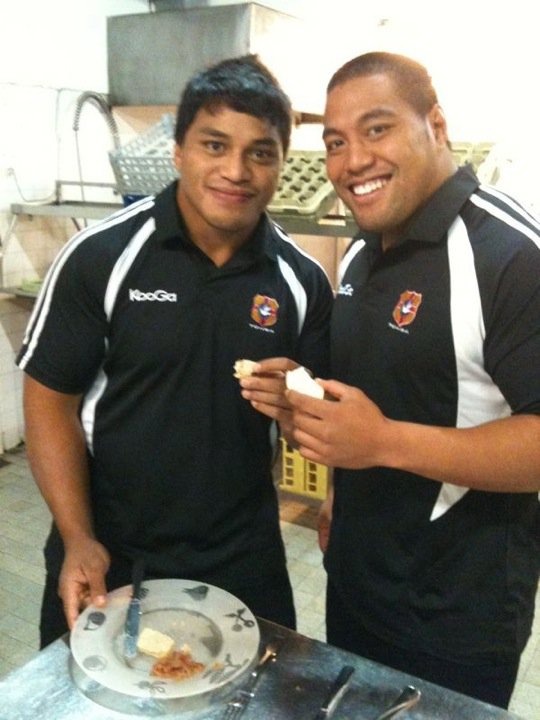
From us singing in the church choir when we were 6–7 years old, to that rugby tour in France repping Tonga when I introduced you to foie gras (still can’t believe the Hotel Chef hooked us up), to now building projects together, I’m genuinely grateful to have you on this journey with me.
And bro, your intro meant a lot, especially how you introduced yourself to the wine community. That was special.
The No/Low Wave: Still a Wine Moment
2 weeks ago, we spoke about When Tariffs Hit the Glass, a reminder that wine is agriculture first, and global pressures can show up in our glass even here in New Zealand.
This week, we’re staying with that same theme of choice, because wine is having a quiet little identity shift right now, and it’s not happening in a lab coat… it’s happening at the table.
I’m talking about no and low-alcohol wines.
And I’m not pulling this out of thin air. I have been talking with a few of my wine colleagues who attended the Paris wine expo 2026, and they all said the same thing in different ways: no/low wasn’t tucked in the corner as a novelty, it had real presence. Not just a couple of bottles for show… but producers, importers, and buyers giving it serious time. It’s starting to feel less like a trend and more like a category that’s here to stay.
What’s driving it? It’s not just “dry January” anymore. People still want the wine moment, the glass, the clink, the food, the kōrero, but they don’t always want the alcohol. Maybe they’re driving. Maybe they’ve got training tomorrow. Maybe they’re pacing themselves at a long lunch. Maybe they just want to be sharp and present.
And honestly… I get it.
Now let’s be real: a lot of early alcohol-free wines tasted like someone diluted your joy with tap water.
But the new wave is improving because many of these start as real wine first, then the alcohol is removed by the process of reverse osmosis (filtering machine), so you still get texture, acidity, and something that actually behaves like wine with food. My mates said they tasted examples that were genuinely “wine-like” not perfect, but far closer than what most of us remember from a few years back.
The Wine Chief quick guide: how to spot a decent no/low wine
- Look for freshness. If it’s flat and sweet, it’ll drink like fancy juice.
- Chill it properly. Cold makes it feel crisp and intentional (and that’s the whole point).
- Pair it like a white wine. Salty snacks, seafood, salads, sushi, it helps it stand up.
The NZ shelf question
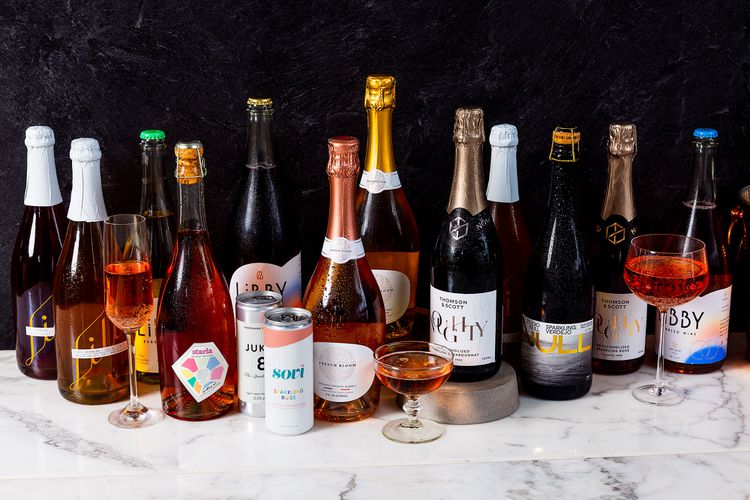
In New Zealand we love a label, a medal, a story and we are quick to adopt what looks modern. So I wouldn’t be surprised if no/low sections get bigger here fast.
But here’s my challenge to us: don’t buy it because it’s “0.0%”.
Buy it because it tastes good.
Because wine has never just been alcohol, it’s been agriculture, culture, and a reason to gather. And if more people can join the moment, even with a lower ABV… I’m not mad at that.
Thanks heaps for reading,
The Wine Chief