
The 8 Forces That Shape Every Wine
When you open a bottle of wine, you are not just tasting fermented grape juice. You are experiencing a story written by nature, people, and time. Every glass carries the influence of eight forces.
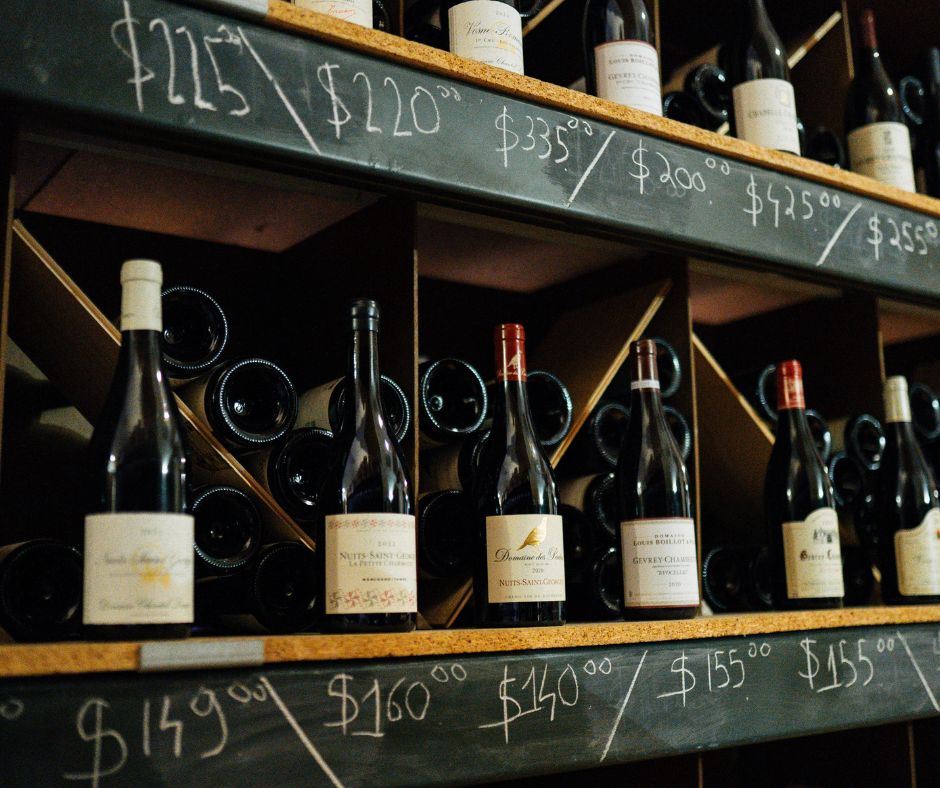
1. Climate
The big picture of sunshine, temperature, rainfall, wind, and seasonal shifts.
• Does the region enjoy long sunshine hours or cooler, cloudier conditions?
• How do hot days and cool nights shape freshness and ripeness?
Climate sets the stage for style, from crisp, high-acid whites to bold, ripe reds.
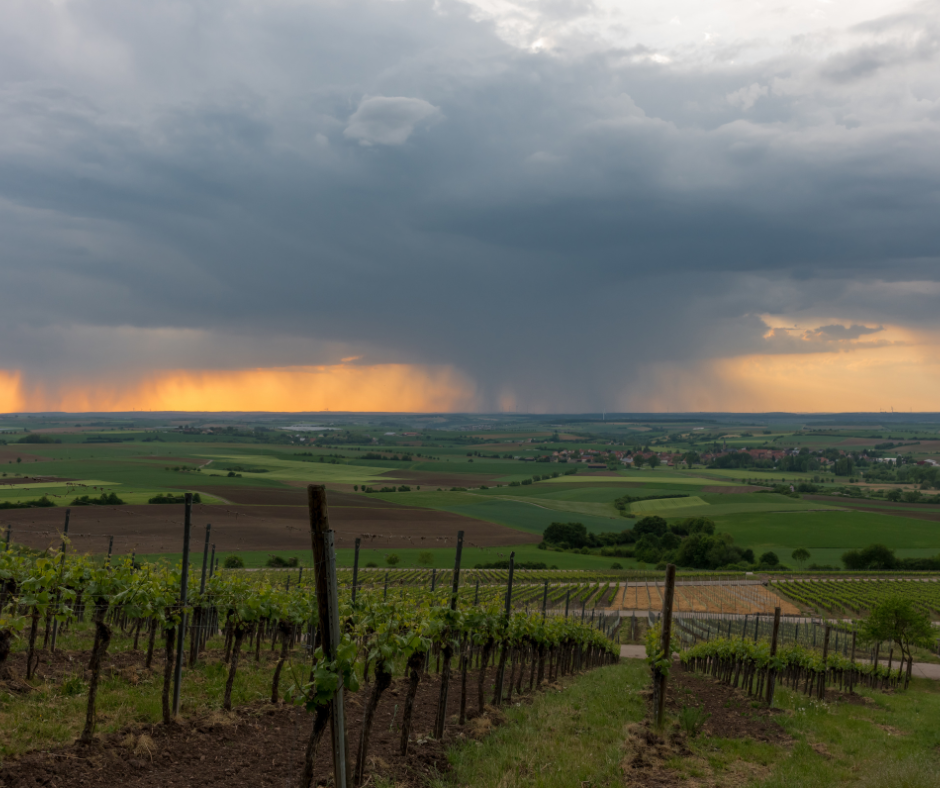
2. Terroir
Soils, slopes, and surroundings.
• Gravel compared to clay, limestone compared to volcanic soils all produce different structures and flavours.
• Elevation, orientation, and proximity to oceans or rivers add layers of character.
Terroir is the sense of place that you taste in the glass.
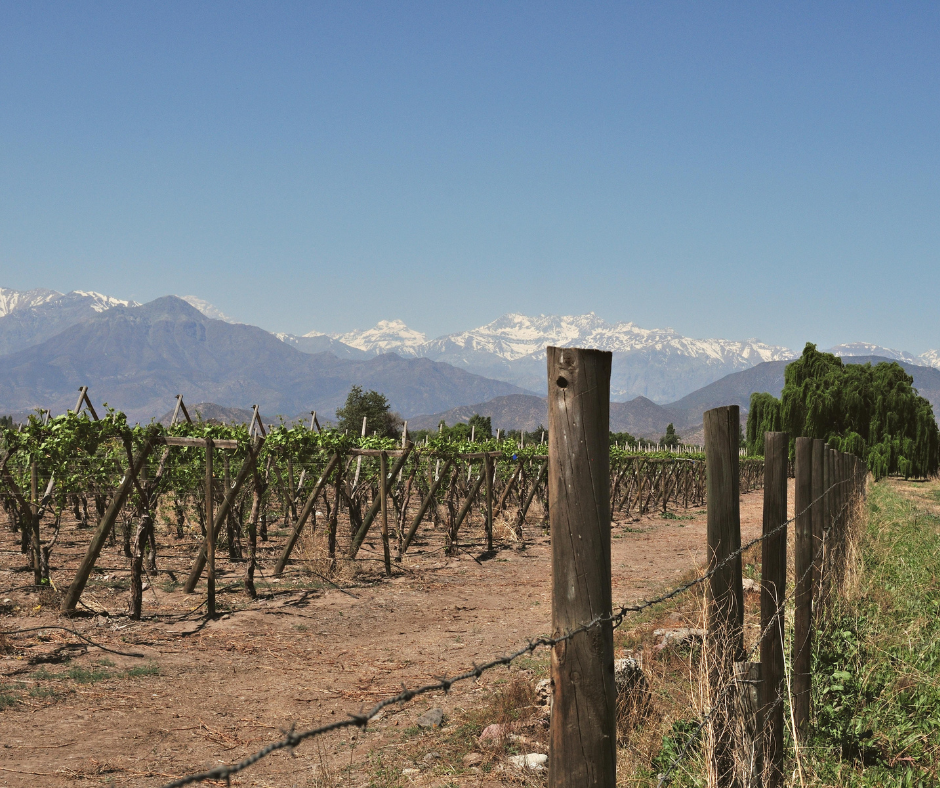
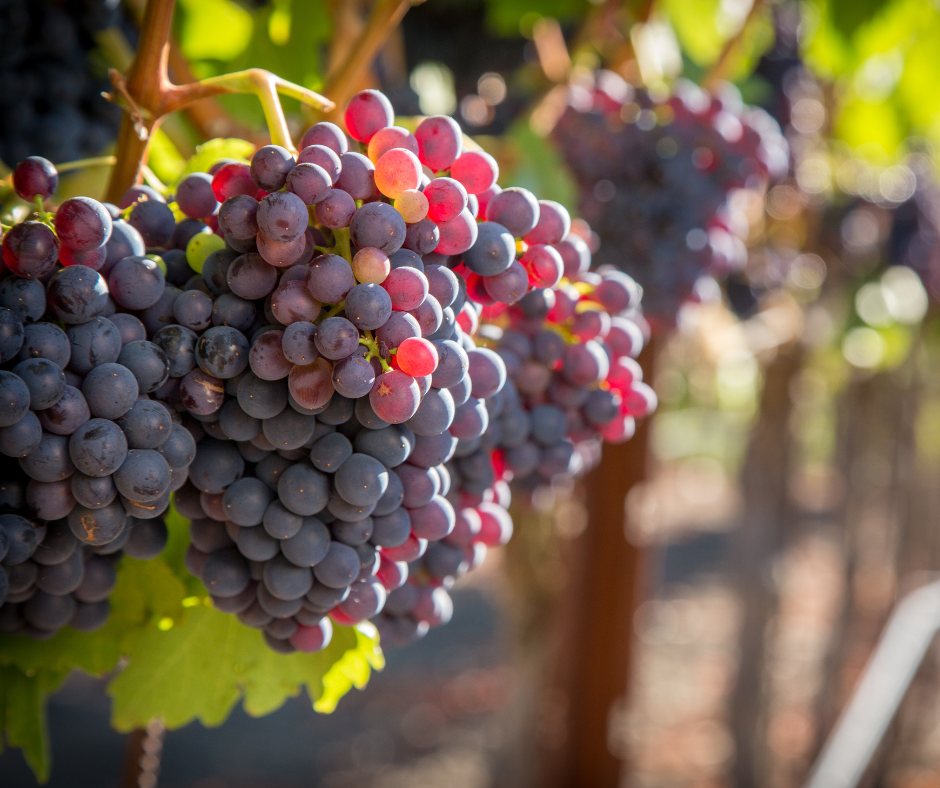
3. The Vine
Variety, clone, and vine age.
• Which grape is planted, and why in this site?
• Old vines can give concentration and depth, while young vines often produce vibrancy.
The vine provides the genetic blueprint that responds to its environment.
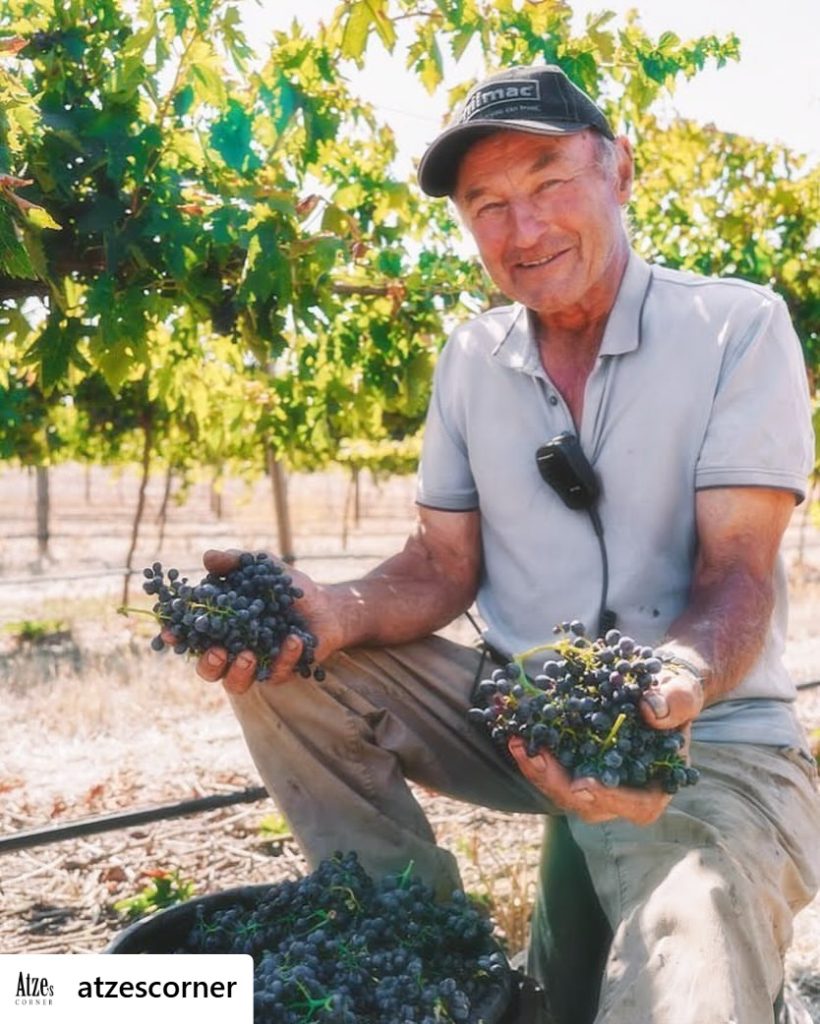
4. People
Winemakers, viticulturists, and families.
• Who is tending the vines?
• What choices are made in pruning, harvesting, fermenting, and blending?
Human hands guide the raw materials into balance and beauty.
5. Technology and Technique
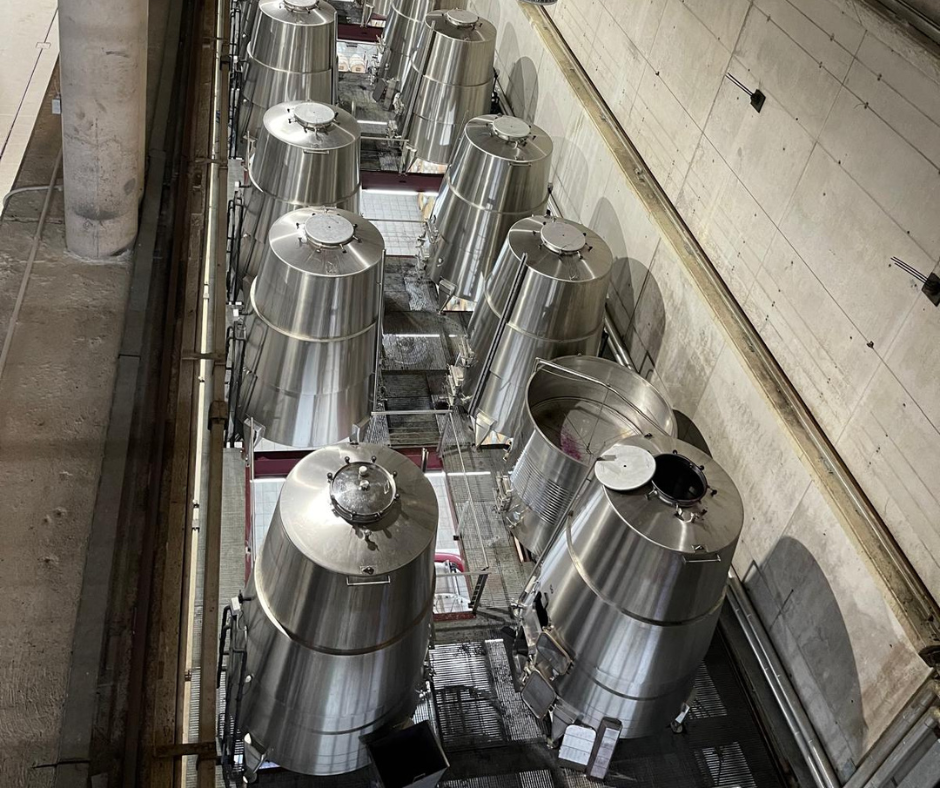
The tools of the craft.
• Stainless steel or oak, wild or cultured yeast, temperature control.
• Vineyard tools such as drones, irrigation systems, and sustainable practices.
Technology allows precision, but philosophy determines how much it is used.
6. Time
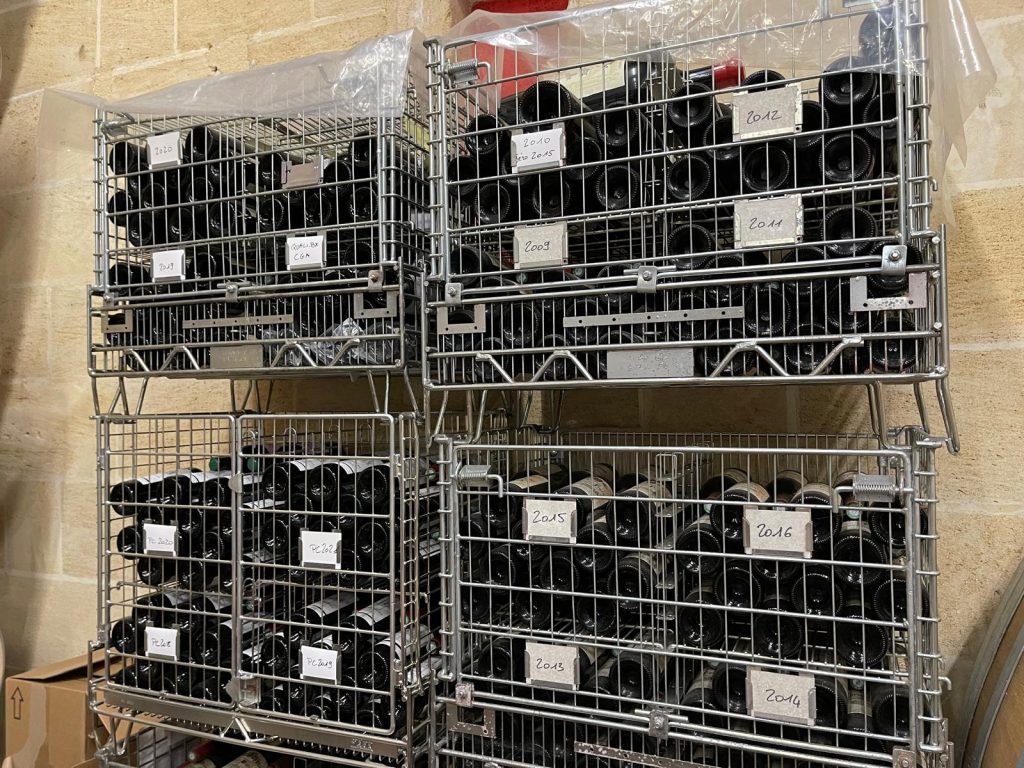
Patience as an ingredient.
• Vintage conditions, whether hot years or cool years.
• Ageing in barrel, tank, or bottle.
• Release decisions that determine whether a wine is fresh and vibrant or matured and complex.
Time adds texture, balance, and story to the wine.
7. Economics and Market
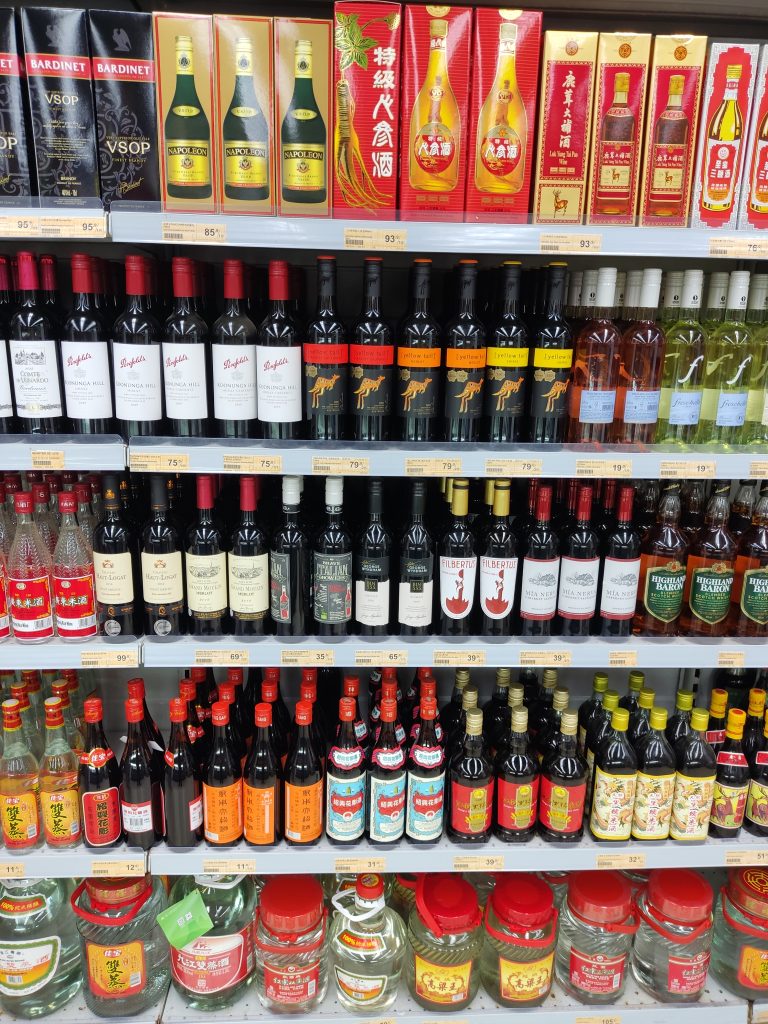
Wines do not exist in isolation. They respond to demand.
• Export markets, critic scores, and consumer trends.
• Price point and positioning, from prestige labels to everyday table wines.
Economics shapes which styles are encouraged and celebrated.
8. Storytelling and Identity
The emotional connection.
• History of the vineyard, family legacy, cultural influence.
• How the wine is presented, branded, and shared.
Storytelling is what makes one bottle stand out among thousands.
Why It Matters
By looking at these eight forces, we can understand not only what is in the bottle but why it tastes the way it does. Next time you taste a wine, ask yourself:
• Which of these forces can I identify in the glass?
• How do climate, land, people, and time come together here?
Every bottle of wine is the result of far more than grapes alone. Climate shapes the rhythm of the seasons. Terroir grounds the vines in a unique place. People guide the vineyard and the cellar with skill and philosophy. Technology provides tools, time adds depth, economics influences style, and storytelling gives the wine its voice.
When all of these forces come together, they create not only a drink but also a reflection of land, culture, and human endeavour. To understand wine is to recognise the harmony of these elements, and to appreciate that each bottle is both a product and a story, waiting to be shared.