
How did Chardonnay become so loved… and so misunderstood at the same time?
Malo wine whānau,
This week’s newsletter actually started the best way most good wine stories do… with a proper yarn.
I was catching up with my very good mate Ofa, and out of nowhere he starts talking about Chardonnay like it’s a first love. Not the casual “yeah it’s nice” kind of love, I mean the heartfelt stuff. The way he described it had that spark… like Chardonnay wasn’t just a wine, it was a memory, a mood, a whole moment in a glass.
And hearing him speak like that made me pause and think:
How did Chardonnay become so loved… and so misunderstood at the same time?
This week I’m unpacking Chardonnay with a few facts that’ll hit home for the Chardy lovers, and maybe even convert a few of the ABC crew (“Anything But Chardonnay”) to give it another crack but this time with a better roadmap.
When someone says, “I’m a Pinot person”… a lot of the time they’re really saying:
“I like wine that feels honest. Not too loud. Not too heavy. Just pure, balanced, and beautiful.”
And that’s exactly why Chardonnay can feel like a natural next step.
Because when you move from Pinot to Chardonnay, you’re not changing your personality, you’re just changing the lane.
Pinot Noir is usually loved for:
- elegance over power
- clarity of flavour
- freshness and balance
- and that sense of “place” (you can taste where it comes from)
And Chardonnay, when it’s done well, plays that same game, just in white wine form.
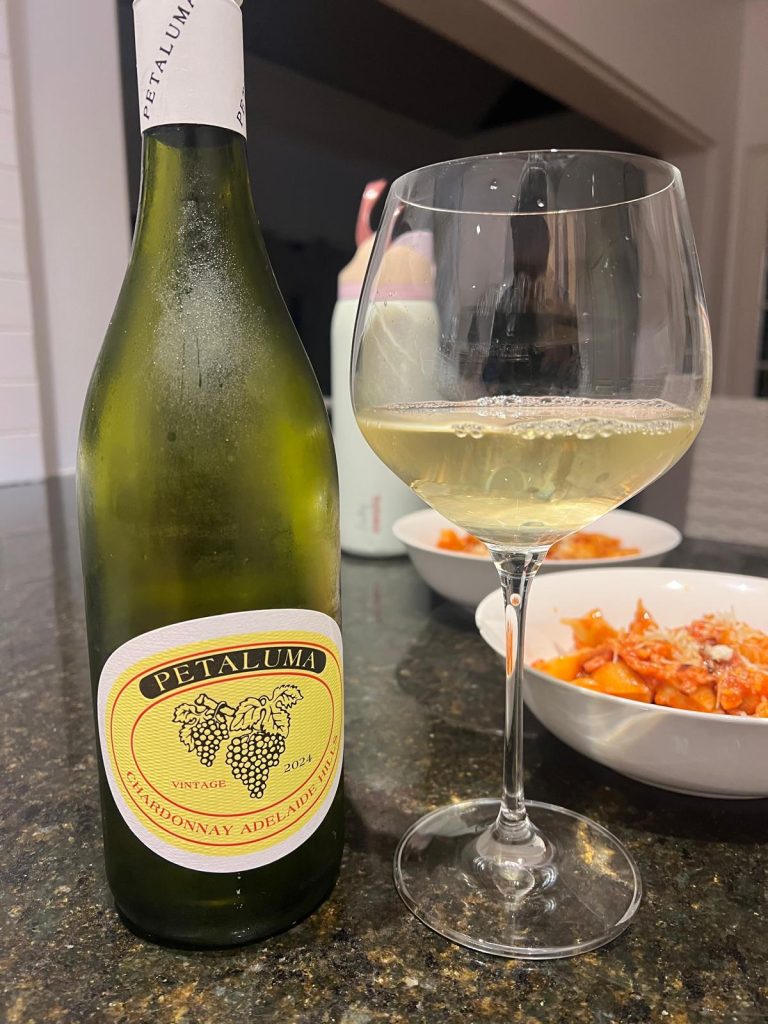
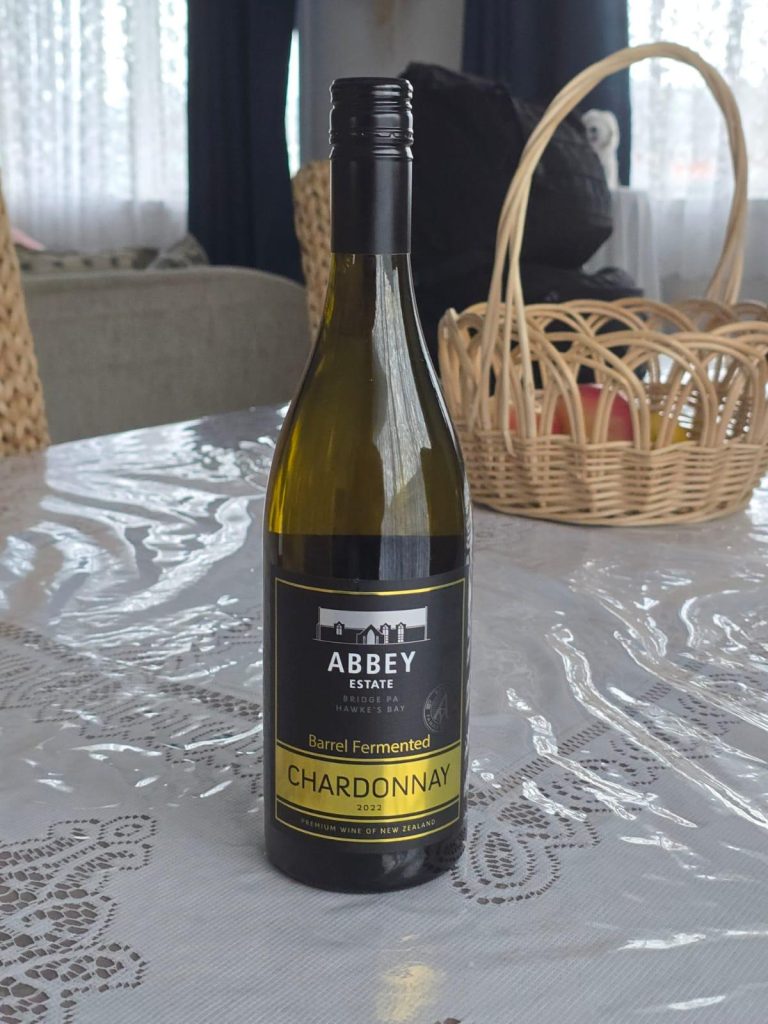
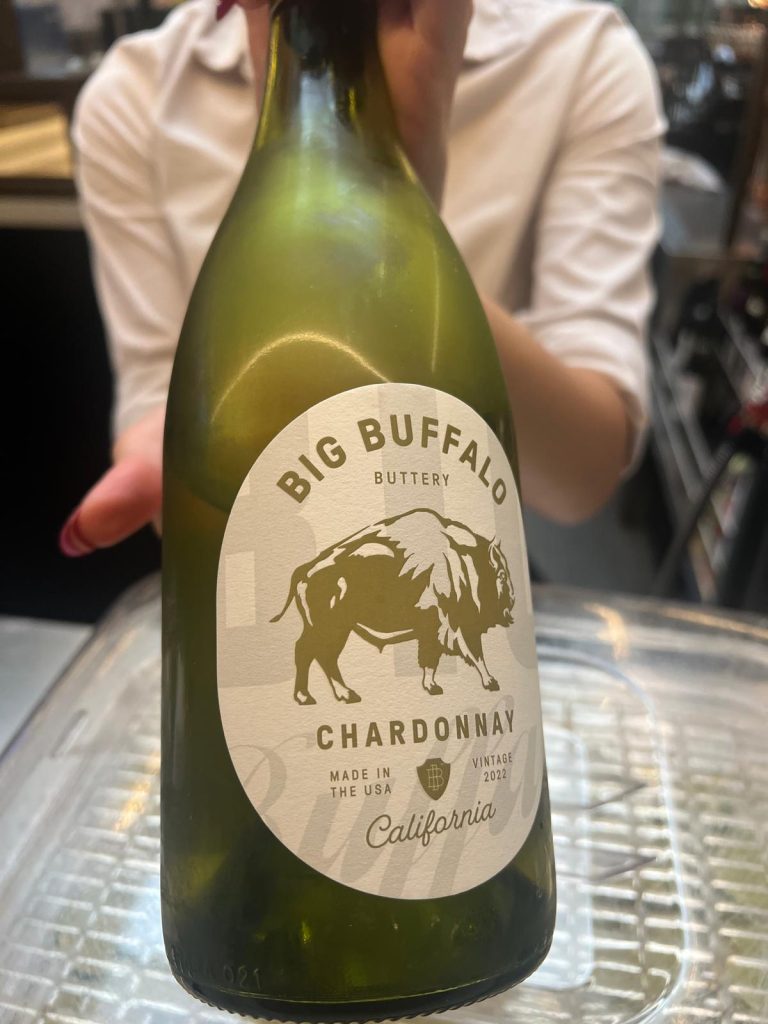
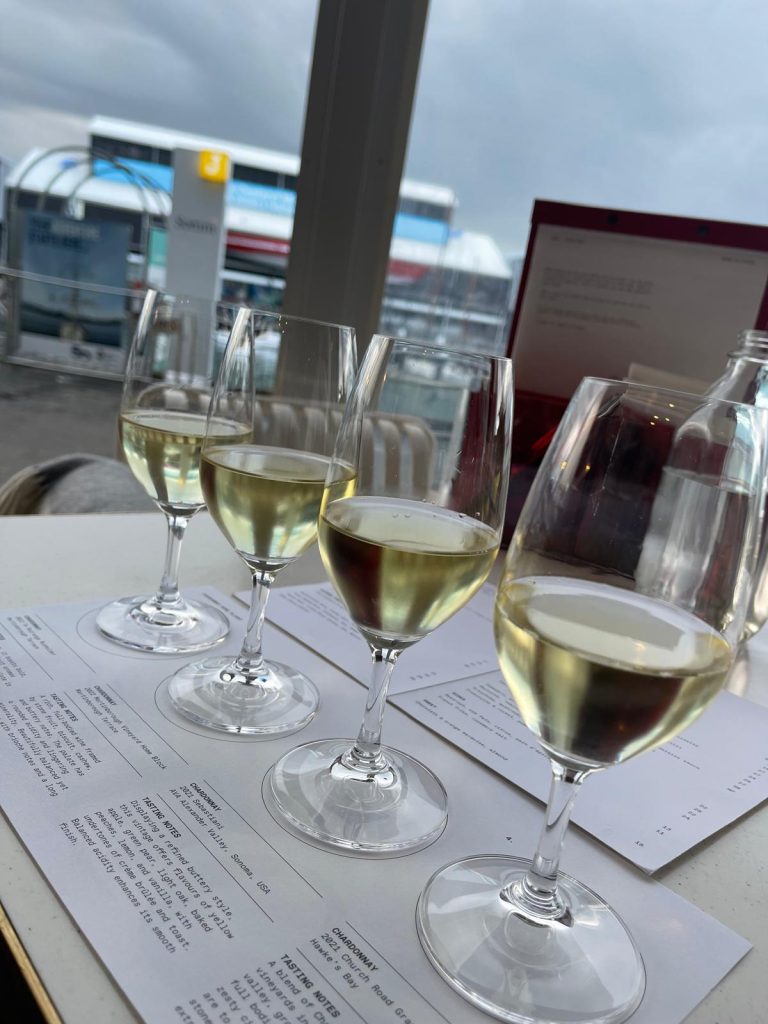
The Wine Chief’s thought:
Here’s the part that makes it even sweeter… Pinot Noir is one of Chardonnay’s parents.
Yep, Chardonnay was born in Burgundy, as a natural cross between Pinot Noir and Gouais Blanc.
So, if you already love Pinot, it makes sense that Chardonnay can feel familiar, like a cousin at the family reunion who’s got the same eyes, but a different vibe.
And guess what? It’s from the same birthplace of Pinot Noir – Burgundy!
Chardonnay’s origin story (Burgundy bloodline)
Its name traces back to the tiny village of Chardonnay in the Mâconnais, yes it’s named after a Village 3 hours drive south of Paris and here’s the part that still makes me smile, because I didn’t even know this until rugby taught me.
It was after a game when I was playing for Nuits-Saint-Georges, and we’d just played Mâcon. Post-match tired legs, good banter, the usual and our president Vincent (who’s also a winemaker) drops this little gem in conversation:
“Chardonnay… that’s our Burgundy child. Pinot Noir and Gouais Blanc together in marriage”
That fact hit me like a clean tackle and it’s stayed with me ever since. Because it reminded me that in Burgundy, wine isn’t just something you drink… it’s something people live.
And here’s a fun twist: for most of history, the grape didn’t take centre stage on labels – place did. You will see names like Meursault, Puligny-Montrachet, Chablis… and Chardonnay just quietly did the work behind the scenes, letting the land take the applause.
The 1980s: when Chardonnay went global
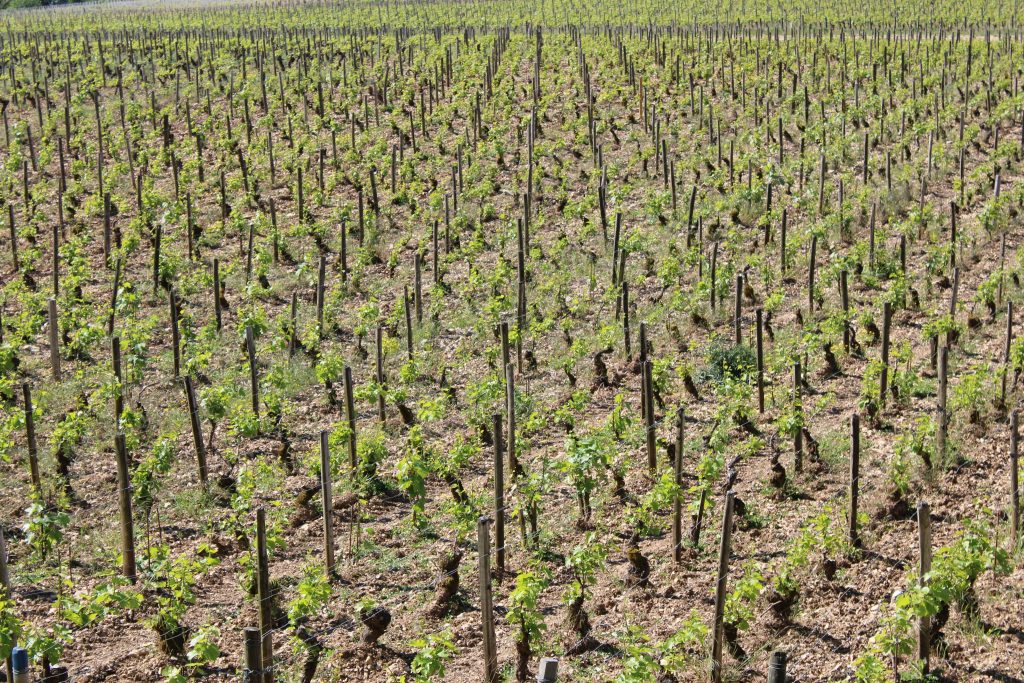
In the 1980s, Chardonnay planting quadrupled in a single decade. Every region wanted it. Everybody planted it. Because everybody wanted to drink it.
Fast forward to today: Chardonnay sits at roughly 210,000 hectares across 41+ countries.
That’s not a trend, that’s a takeover.
The secret: Chardonnay is “neutral” (and that’s its superpower)
Chardonnay is often called a neutral grape, meaning it’s basically a mirror:
climate + winemaking = the final personality.
It’s not an aromatic grape like Pinot Gris, Sav Blanc etc
Cool-climate Chardonnay
Think: green apple, citrus, chalk, oyster shell.
That clean, mineral, fresh energy.
Warm-climate Chardonnay
Think: pineapple, peach, mango, melon.
Riper, rounder, more sunshine in the glass.
Same grape. Totally different game plan.
The buttery debate (malolactic fermentation)
Now let’s talk about the word that has caused more dinner table arguments than it should:
Buttery.
That creamy, buttery character often comes from malolactic fermentation – a process that softens the wine and can bring out those smooth, creamy aromas people either love… or avoid like a missed tackle.
Wine Chief take:
It’s not “good” or “bad.” It’s a style choice.
You just need to know what lane you like.
Chardonnay isn’t easy in the vineyard either
Chardonnay is a star but it’s sensitive.
- It buds early, so spring frost can be brutal (think places like Chablis, Champagne, even Casablanca in Chile).
- It has thin skins, so rot pressure can move fast.
When you find a great bottle, trust me someone earned that.
The fall: overplanting + the ABC movement
In the 1990s, Chardonnay got planted everywhere and not always in the right places or handled with care. That’s when backlash grew and the ABC (“Anything But Chardonnay”) wave took off.
A lot of people weren’t rejecting Chardonnay…
They were rejecting bad Chardonnay.
The comeback: why Chardonnay is back
Now Chardonnay is back in favour, because producers got smarter, more precise, and more balanced with it.
And here’s the truth that Ofa reminded me of without even trying:
No other white grape gives you this much range.
From crisp and mineral to creamy and bold. Chardonnay can meet you where you are.
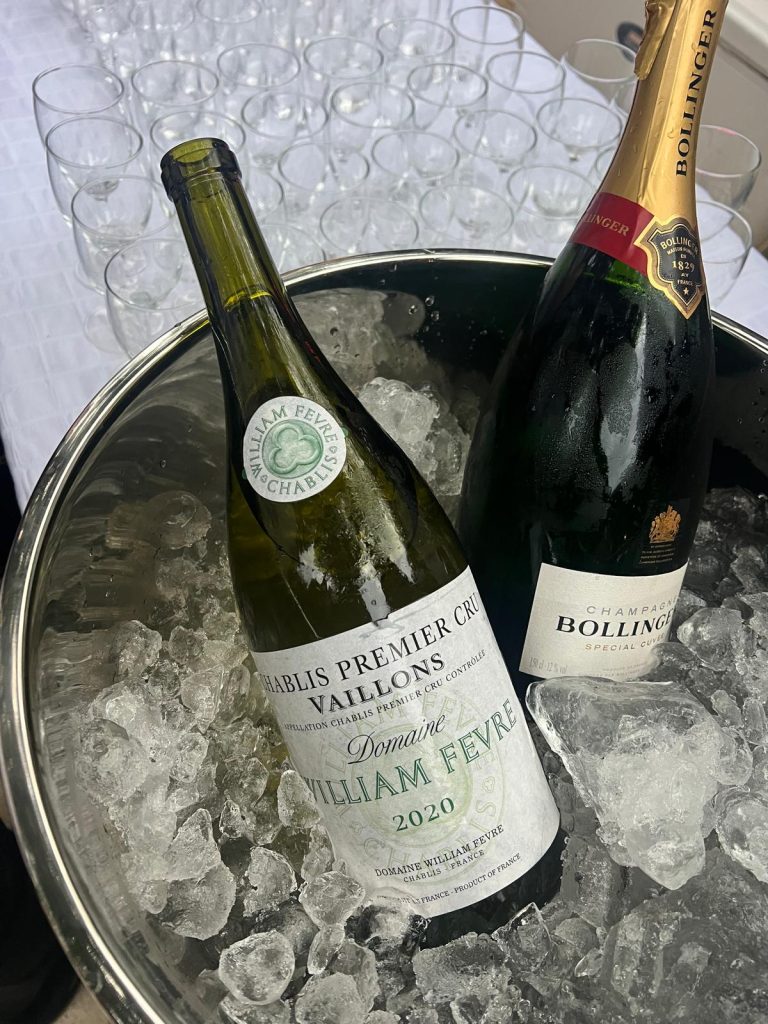
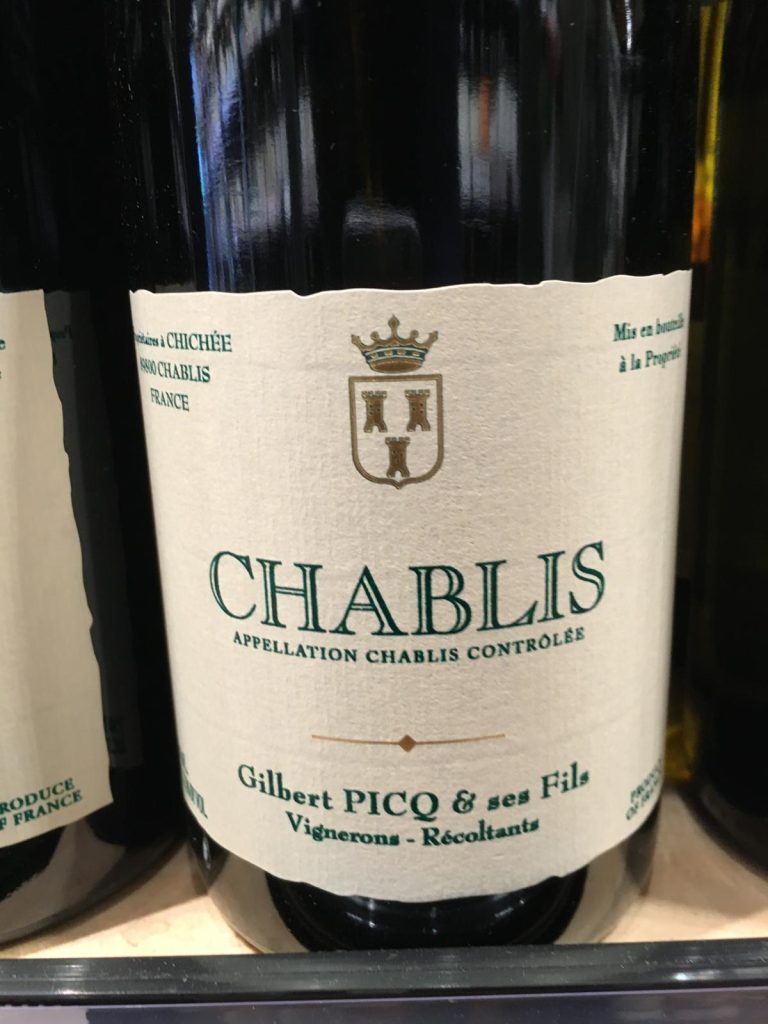
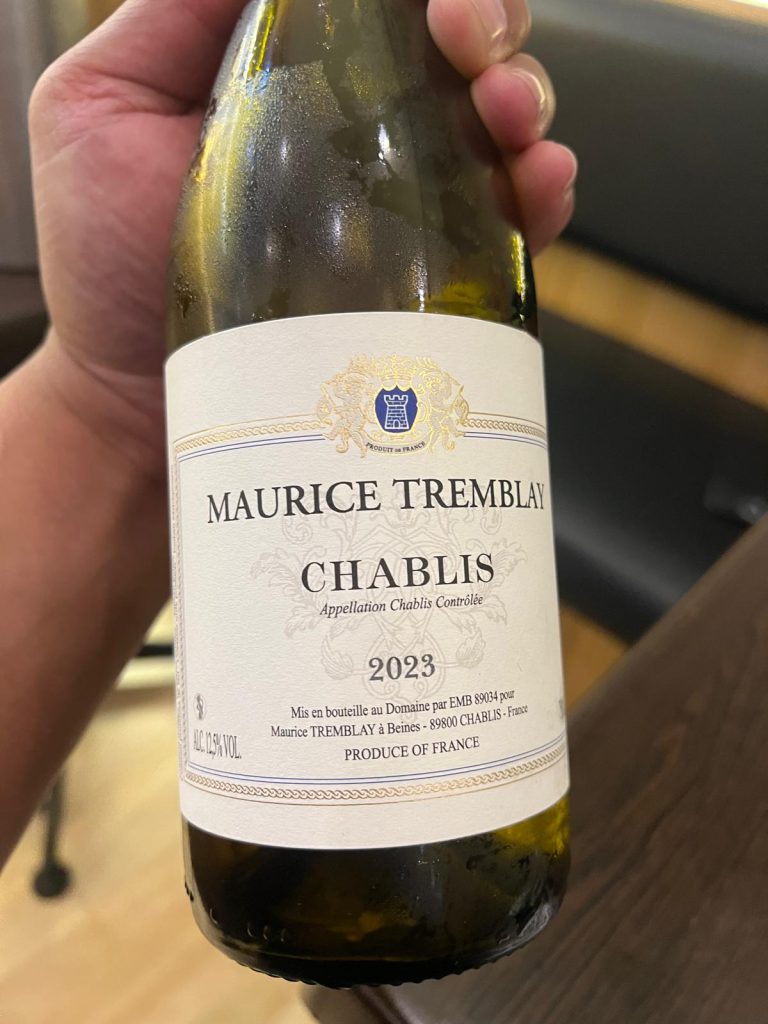
The Wine Chief’s simple Chardonnay cheat code
Next time you’re choosing, don’t ask: “Do I like Chardonnay?”
Ask: “Which Chardonnay style do I like?”
- Team Crisp: zesty, mineral, seafood nights
- Team Balanced: textured, gentle oak, roast chicken energy
- Team Bold: buttery, toasty, rich feeds, comfort wine
And if you want proof we can run with the best, keep Kumeu River on your radar. They’ve been putting Auckland on the Chardonnay map for a long time, and the wine world knows it.
Your turn, wine whānau
Which lane are you?
A) Crisp & mineral
B) Creamy & balanced
C) Bold & buttery
D) Still healing from the ABC era
Reply with your letter and I’ll tell you what to look for on labels so you land the right bottle every time.
Until next time,
Semisi — The Wine Chief 🍷
Wine made simple. Stories kept real. Community always first.