
Grapes Don’t Read Spreadsheets: Wine is agriculture first – and the season sets the schedule
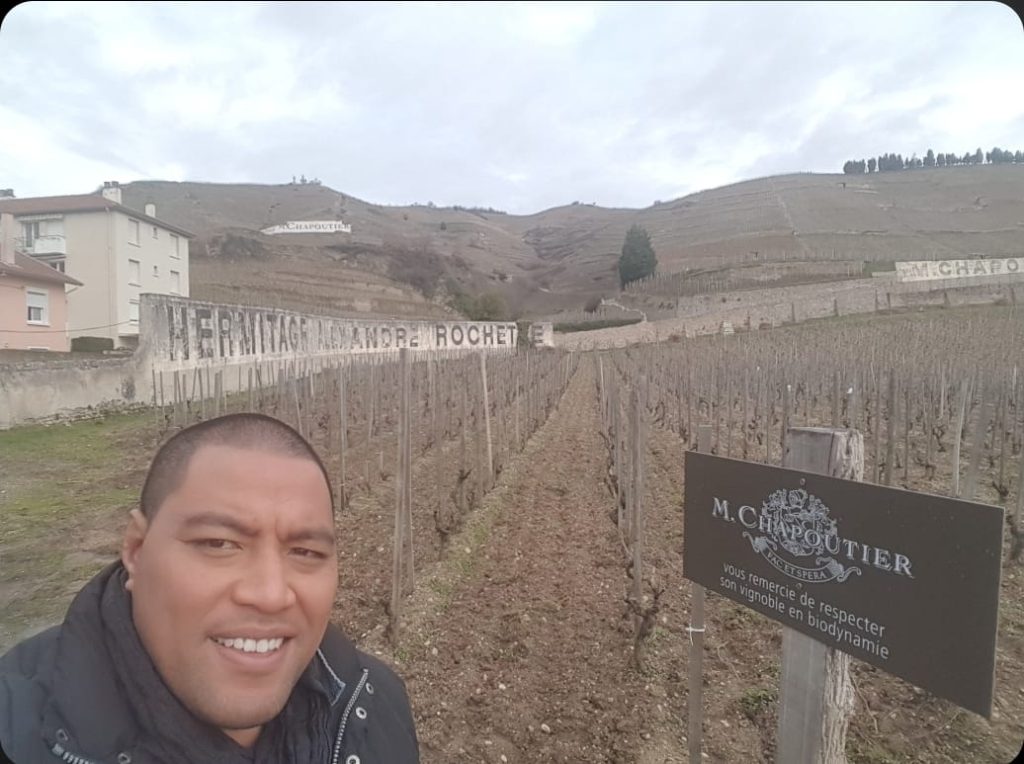
Kia ora wine whānau,
Before we get into this one, I need to say it plainly: I take my hat off to winery owners and their teams. What they do is not just “making wine” it’s farming, forecasting, hospitality, logistics, marketing, compliance, export, and storytelling… all at once. And the wild part? They’re doing it with a product that takes years to grow, while the world changes month to month.
And here’s the reminder we all need sometimes: wine is agriculture.
Not in a cute, romantic way – in a real, muddy-boots, early mornings, weather-watching, hands-on way. Wine starts as a crop, grown outdoors, in a living environment that doesn’t care about your budget, your deadlines, or your sales targets. You can have the best winemaker in the world, but if the season plays up, the vineyard is still the boss.
That’s why forecasting wine is brave business.
Most businesses can test a product, adjust quickly, and pivot if the market changes. Wineries can’t move like that. A decision to plant vines or commit to a style is a long-term play, you’re planting today for what people might want in five, ten, even twenty years.
A vineyard is a living system, not a production line.
The vine is responding every day to temperature, sunlight, wind, rainfall, soil life, and stress. Great viticulture isn’t just “growing grapes” it’s pruning choices, canopy management, leaf plucking, crop thinning, irrigation decisions, frost protection, pest and disease control, and timing everything right. One small decision in the vineyard can shape the flavour, structure, and balance you taste in the glass later.
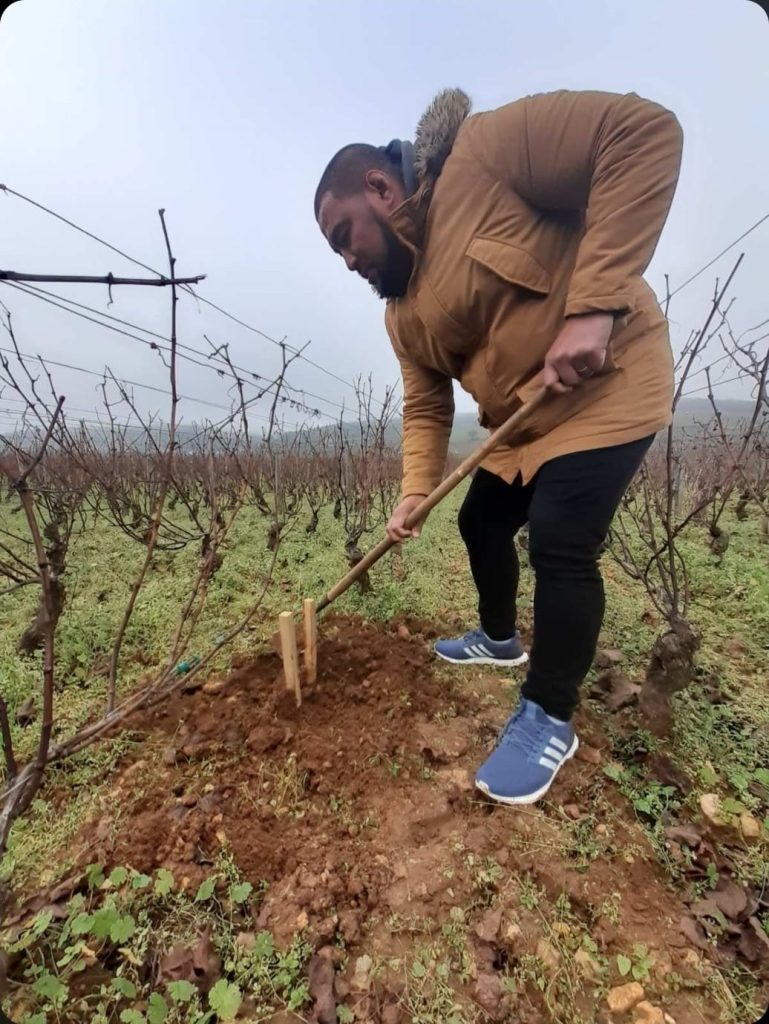
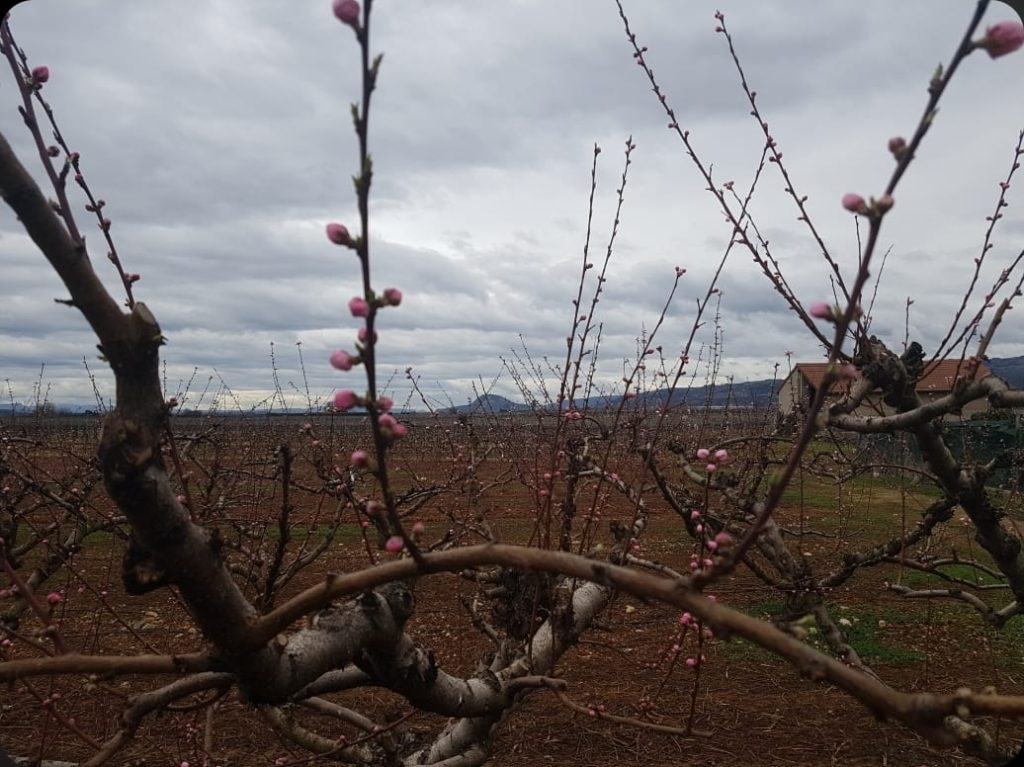
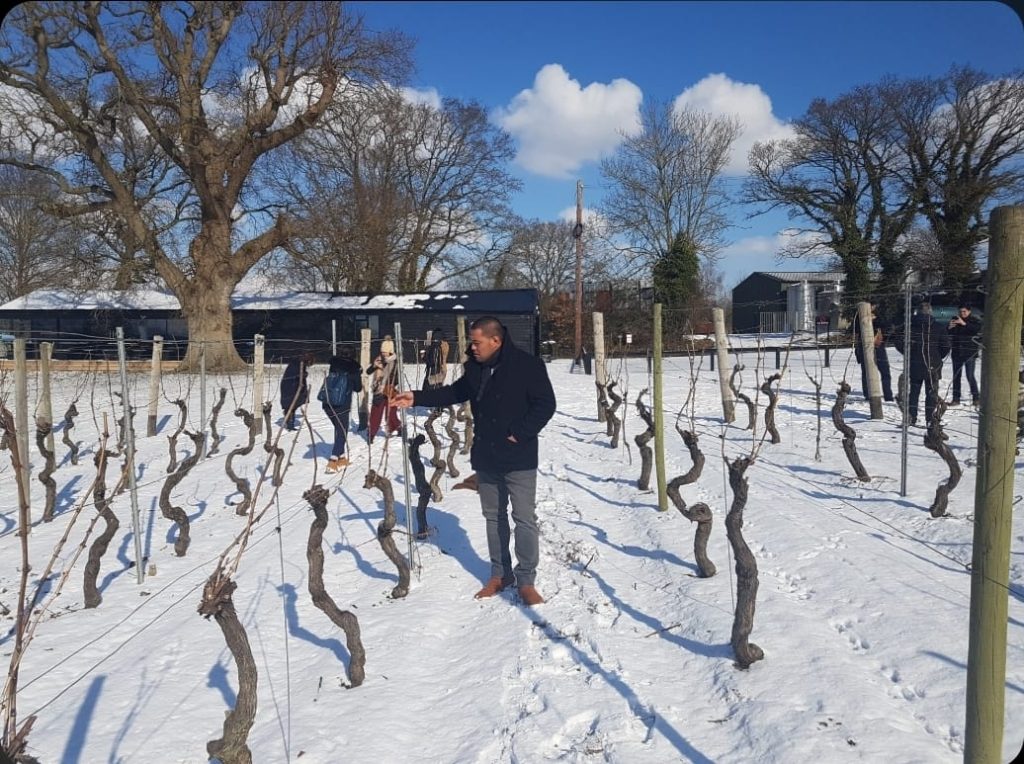
The cycle can get messy fast.
One season can rewrite the whole plan. Frost can damage buds before the story even starts. Rain at flowering can reduce fruit set. Heat spikes can push ripening too fast. Hail can shred canopies overnight. Add in disease pressure and harvest logistics, and even the best forecast can be thrown sideways in a week.
Even “good problems” create stress.
A bumper crop sounds like a celebration, but it can stretch the winery: more picking, more ferments, more tank space, more barrels, more labour, and more cash tied up for longer. Too little fruit is the opposite pain, sell-outs are great, but allocations tighten, customers miss out, and you can’t just create more stock.
Trends are moving faster than vineyards.
Customer tastes can shift quickly, lighter styles, fresher drinking, more rosé and bubbles, chillable reds, lower alcohol interest, and stronger expectations around sustainability. But vines don’t pivot like a marketing campaign. You can adjust farming and winemaking, but you can’t turn a Cabernet block into Sauvignon Blanc overnight.
So why is it hit and miss?
Because wineries are juggling three moving targets at once: what nature delivers, what the market wants, and what the business can actually produce and distribute. Sometimes you nail it, right volume, right style, right timing. Other times it’s a miss – too much of a wine that’s cooled off, or not enough of the wine people suddenly can’t get enough of.
Wine Chief takeaway.
When you drink a glass of wine, take a second to think about the vineyard, the hands that worked it, and the season that shaped it. That wine didn’t come from a factory line; it came from early mornings, weather watched like a hawk, and decisions made months (and often years) before it ever reached your glass. Every sip is a little piece of place, time, and people delivered to you, right there in your hands.
Question for you.
Have your wine habits changed lately? are you leaning lighter, fresher, more bubbly, or something totally different? Send me a message – I’d love to hear what you’re reaching for right now.
Cheers,
Semisi — The Wine Chief