
Côtes de Provence Rosé: what to expect from the world’s iconic pink
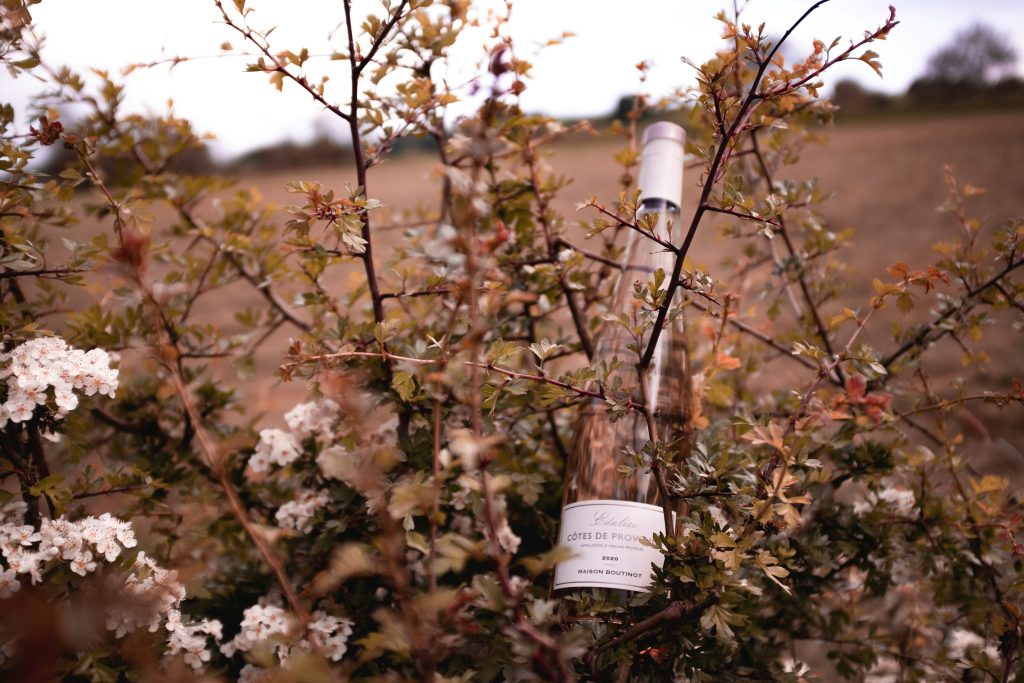
When we think of Provence in the south of France, two words come straight to mind: vacation and rosé. Warm evenings, the Mediterranean light, a pale pink wine in the glass, it’s become a global symbol of holidays and good times. Provence is said to be the second most visited region in France after Paris… should we go?
It’s the kind of wine that feels like kick-off for summer: light, fresh, and ready to get the game started.
Climate does play a big role in this pale pink drink, but I won’t bore you with a full climate lecture today. All you need to know is this: in a good year, Provence can clock around 3,000 hours of sunshine, and only about 700mm of rain for the whole year. To put that into perspective, here in Auckland we can sometimes feel like we get that in a week. Add in the famous Mistral winds blasting through, cooling the vines, drying the air, and keeping the grapes healthy and you’ve got a pretty handy combo: sun for ripeness, wind for freshness.
It’s also become a serious status drink. Some of the biggest names in the world have put their money into Provence vineyards. Hollywood faces, legendary creators, and luxury houses like LVMH. When big names start backing a style, you know it’s not just a sideline player anymore, it’s made the first XV of global wine.
Behind the glam, Provence is home to the only research centre in the world dedicated entirely to rosé wine, a high performance unit for pink wine. Winemakers and scientists work away in the background on grape varieties, terroir, colour, flavour and ageing, constantly testing and refining. As wine drinkers, we just see the clean pass and the try at the end, but there’s a serious game plan behind that glass.
And Provence doesn’t just like rosé, it practically is rosé. Around 90% of the wine made in Provence is pink, making it the only major wine region in the world that is this specialised in rosé. As a fun fact, this is also where French wine began: the first vines in what is now France were planted here around 600 BC, when Greek settlers from Phocaea founded the port of Massalia, modern day Marseille.
So, when you pour a glass of Côtes de Provence rosé, you’re not just drinking something trendy for the ‘Gram, you’re tasting the oldest wine region in France, updated for today and ready to play a full season of summer.
Where in the world is Côtes de Provence?
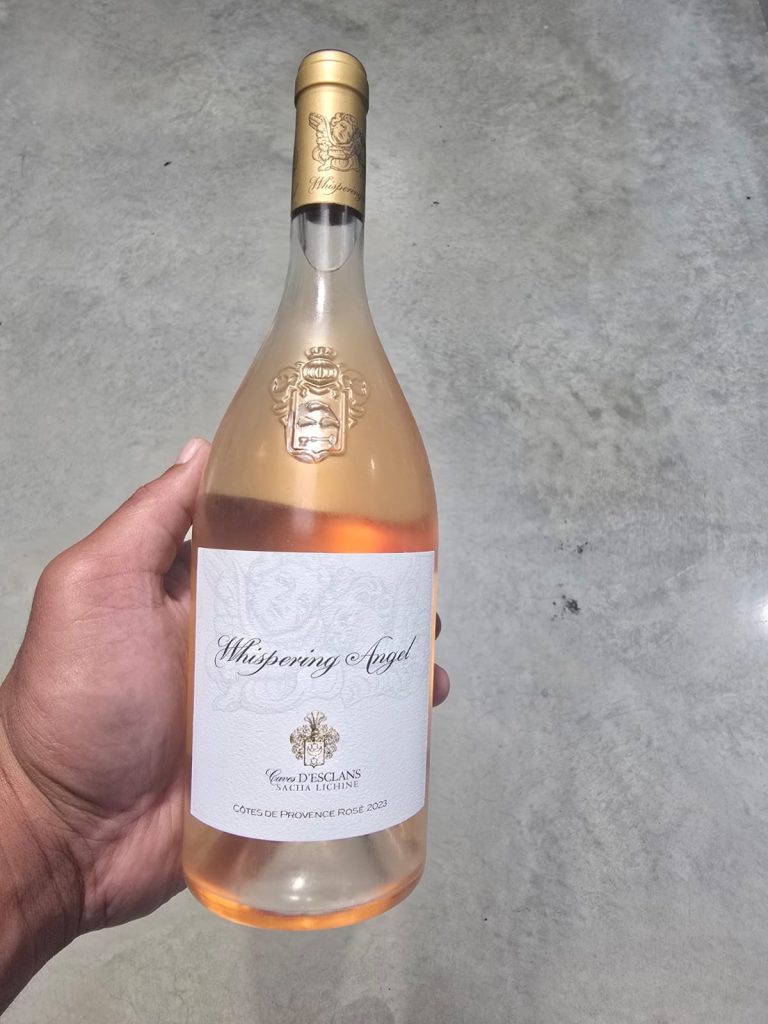
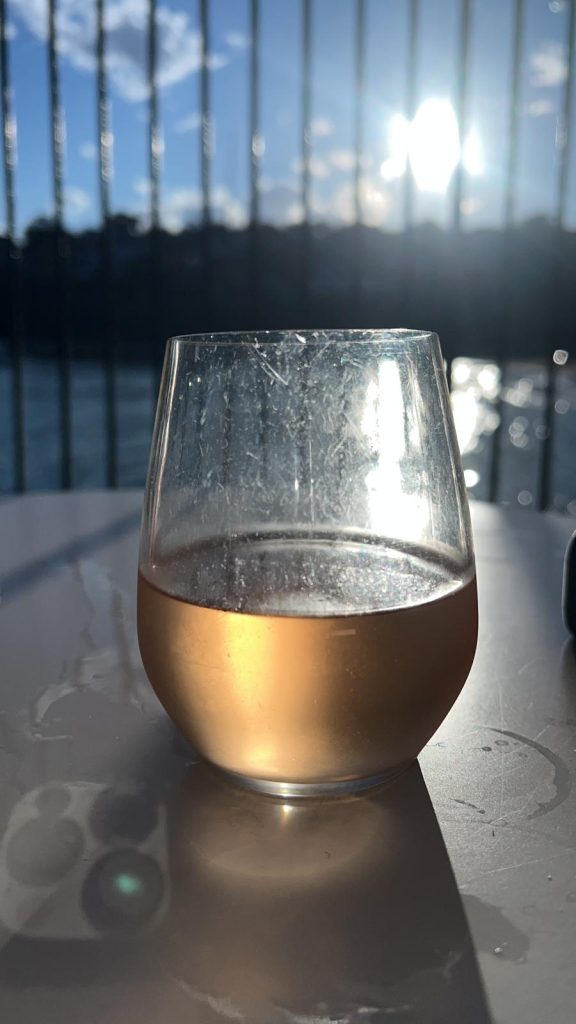
Provence sits in the south-east of France, along the Mediterranean coast – think sunshine, lavender fields, olive trees, cicadas, and long, late evenings.
Within that, Côtes de Provence is the main wine region (AOP) you’ll see on many rosé labels. It stretches over hills and coastal areas, but the overall vibe is the same:
The grape line-up: who’s on the team sheet?
Most Côtes de Provence rosés are blends. Think of it like a backline: each position brings something different, but together it flows.
Common players in the blend:
- Grenache – the first five-eighth of the team
Brings juicy red fruit like strawberries and red cherries, plus body and warmth. - Cinsault – your classy winger
Light, soft and delicate, gives elegance and that pretty, gentle side. - Syrah – the powerful centre
Adds a bit more colour, spice, and structure. - Mourvèdre – the experienced lock
Depth, savoury notes, sometimes a hint of wild herbs and a bit of grip. - Tibouren – local specialist
A traditional Provençal grape; gives perfume and finesse in some blends. - Sometimes a small percentage of white grapes like Rolle (Vermentino)
Think of this as the utility player – lifts aroma and freshness.
You don’t need to remember all the names; just know that rosé in Provence is a team sport. The winemaker is the coach, choosing the final blend for balance and style.
Why is the colour so pale?
Rosé is made from red grapes, so how does it end up that pale, delicate salmon colour?
It’s all about time on skins – like how long a player spends on the field:
- Grapes are picked (often early in the morning or at night to keep them cool).
- They’re gently pressed.
- The juice sits with the red skins for a short time – sometimes just a few hours.
- The winemaker watches the colour closely, like a ref with the clock.
- When the shade is just right – pale pink, onion skin, very light salmon – the skins are taken away and the juice ferments like a white wine.
Because there’s minimal skin contact, you get:
- Light colour
- Low tannin
- Fresh, clean fruit
That’s why Provence rosé looks like a soft sunset in the glass rather than a full-bodied red.
What does Côtes de Provence rosé taste like?
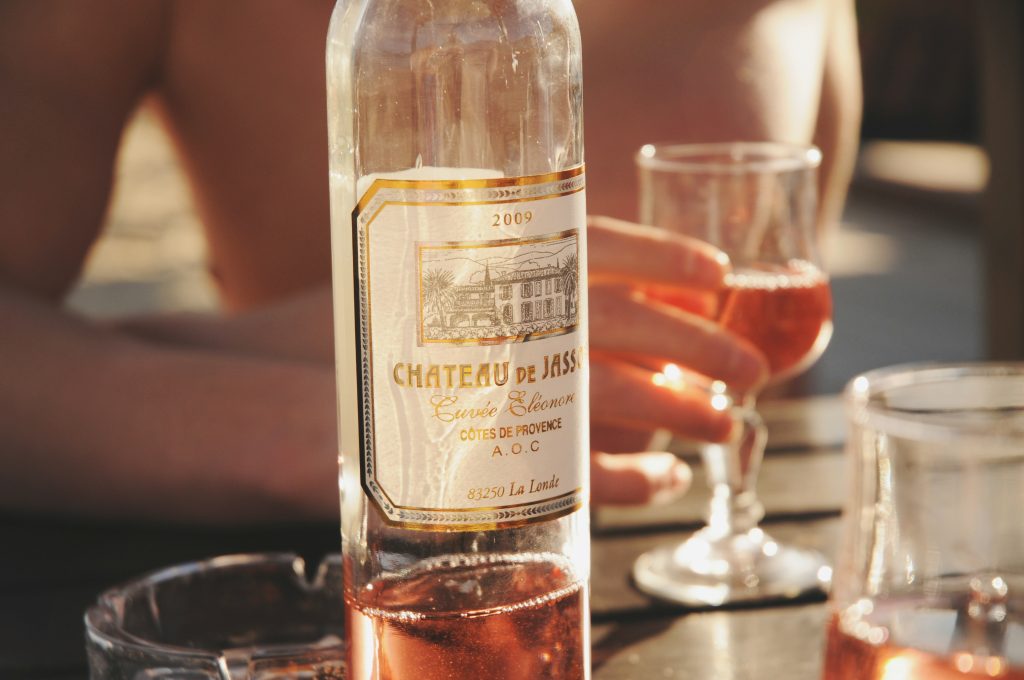
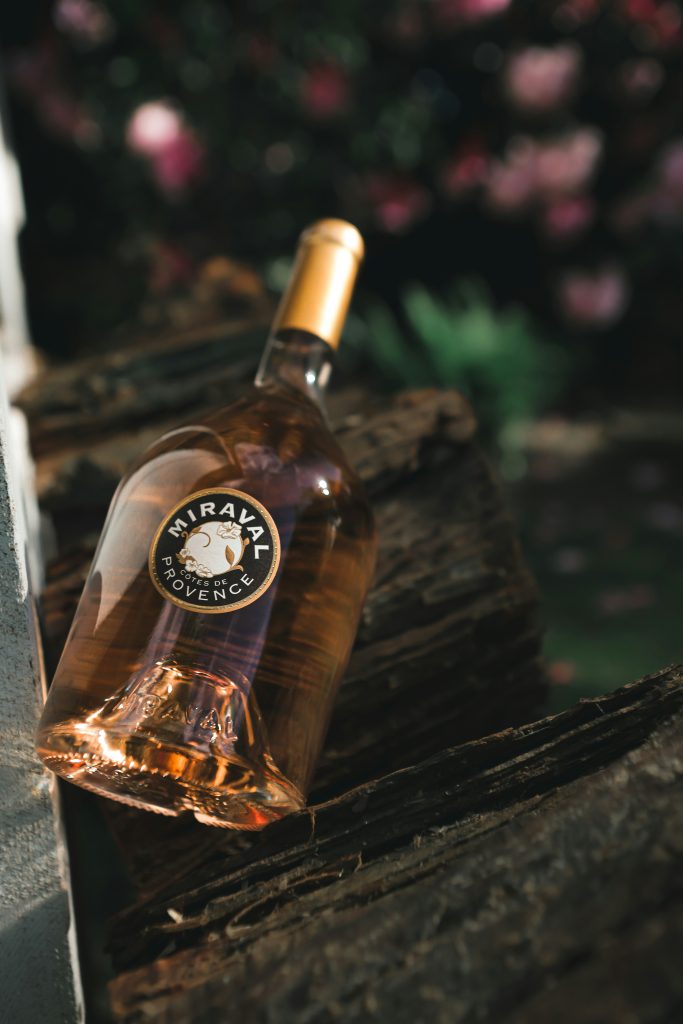
In Wine Chief language: dry, refreshing, and dangerously easy to drink.
You’ll often find:
- Red fruit – strawberries, raspberries, redcurrant
- Stone fruit – white peach, nectarine
- Citrus – grapefruit, lemon zest
- Herbal notes – hints of thyme, rosemary, or that wild “garrigue” character
- A clean, dry finish – not sweet
It’s like that perfect wide pass that lands exactly where it should – crisp, accurate, and not overcooked.
Behind the scenes: not just a pretty holiday drink
For all its relaxed energy, there’s nothing casual about how this wine is made.
Winemakers in Provence are constantly doing the unseen work:
- Picking grapes earlier to keep acidity and freshness.
- Harvesting in the coolest hours to protect aroma.
- Using cool fermentation in stainless steel to lock in fruit.
- Running experiments and trials through the rosé research centre to understand colour, flavour, ageing and blending at a deeper level.
It’s a bit like a professional rugby set-up: you only see the 80 minutes on the field, but behind it are months of analysis, fitness, video review and planning. With Côtes de Provence rosé, we get the “match day performance” in the bottle – the hard work is already done.
Food matches: from Mediterranean table to island feed
This is where Côtes de Provence rosé becomes the ultimate utility back – it fits in almost anywhere on the food table.
Classic French / Mediterranean pairings:
- Grilled fish and shellfish
- Salads with tomato, olives, and fresh herbs
- Ratatouille
- Charcuterie and antipasto
- Light pasta dishes
Here in Aotearoa and across the Pacific, I’d happily pour it with:
- BBQ prawns, grilled fish, or seafood skewers
- Roast or rotisserie chicken
- Summer salads with herbs, feta, or fresh veg
- Chop suey, fried chicken, or a big family spread
- Leftover Christmas ham
- Fresh cheeses, olives, and cold meats
If it’s warm outside, there’s food on the table, and people are gathering, Provence rosé is usually a safe selection. It won’t dominate the plate, but it won’t go missing in action either.
How to choose a bottle (quick game plan)
Standing in front of a wall of pink can feel like facing a big defensive line. Here’s a simple game plan:
- Look for “Côtes de Provence” on the label
That tells you it’s from the main rosé heartland in Provence. - Go for a recent vintage
Rosé is usually best young and fresh – reach for the latest year you can see. - Assume dry, not sweet
Don’t let the pale colour fool you. Provence rosé is typically dry, not sugary. - Chill, but don’t freeze
Put it in the fridge, but don’t serve it ice-cold like a beer straight out of the chilly bin. You still want the flavours to show. - Trust a producer you’ve enjoyed before
If one bottle from a producer was good, chances are the next one will also be solid – they’ve got their systems in place.
Final whistle
Côtes de Provence rosé might look soft and gentle in the glass, but behind it is:
- The oldest wine region in France
- A region where 90% of production is rosé
- Big names investing, serious research happening, and winemakers constantly refining their craft
For us as wine drinkers, the job is easy:
chill the bottle, open it with good company, and let it do what it does best, bring a bit of sunshine to the table.
If you’re staring at a shelf of pink and not sure where to start, send me a message and I’ll happily play selector for you.
Ofa lahi atu,