
beaujolais & Gamay: the underrated grape that deserves your attention
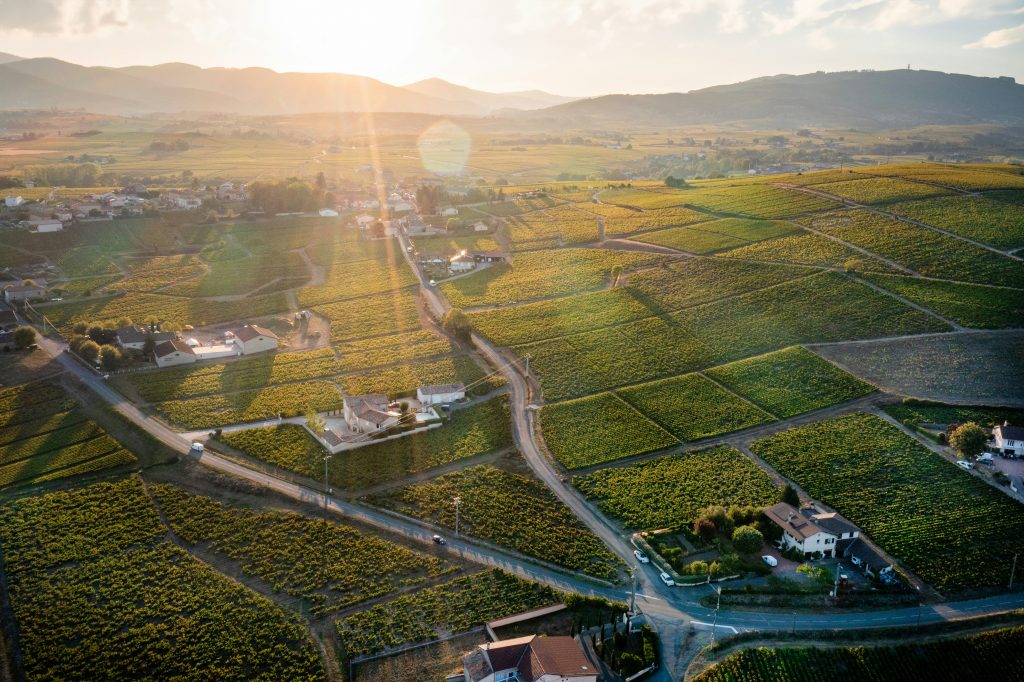
First things first – say it with me: “Beaujolais” (Boo-juu-laayy)… now try it with your best French accent, nailed it? Sweet, let’s jump on the bus.
When I was living in France, there was one red that always turned up when people just wanted to relax, laugh and eat – Beaujolais.
After a game, the rugby boys would crowd around a simple table: sliced saucisson, baguette, a bit of cheese… and someone would pull out a bottle of light, juicy Beaujolais. No big speech. No showing off the label. Just “open it, pour it, let’s eat.”
If I had to take a touring bus full of wine lovers around France, the Beaujolais wine region would definitely be on the list
who’s jumping on the bus?
That’s what I love about Beaujolais and its grape, Gamay. It’s not trying to be fancy – but when you treat it right, it absolutely delivers. And I reckon it suits us here in Aotearoa, especially as the days get warmer and the BBQs start calling.
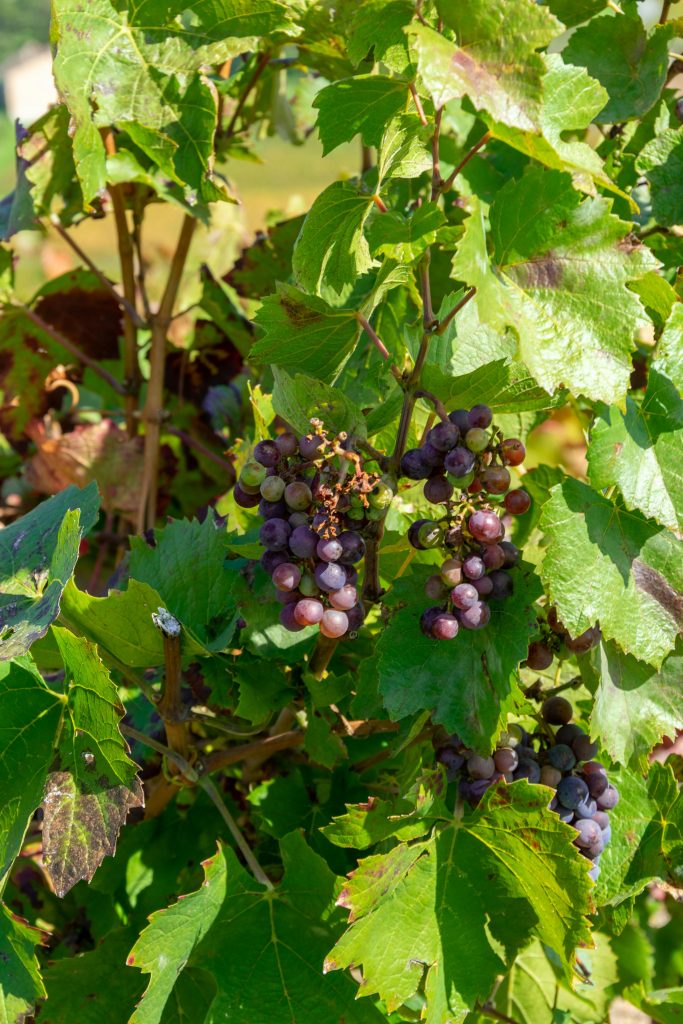
Not Just Nouveau: The Three Faces of Beaujolais
A lot of people only know Beaujolais Nouveau – the super-young wine released every November. It’s fun, fruity, a bit wild, and made to drink straight away.
But Beaujolais has quality levels:
- Beaujolais
The most simple and easy-going style. Bright, juicy, and made for everyday drinking. - Beaujolais-Villages
From selected villages with better vineyard sites. A bit more depth, a touch more seriousness, but still very relaxed in the glass. - Cru Beaujolais
The top level, from 10 special villages: Morgon, Fleurie, Moulin-à-Vent, Côte de Brouilly, Saint-Amour, Chénas, Régnié, Juliénas, Chiroubles and Brouilly.
These wines can really surprise you, more structure, more complexity, sometimes even tasting closer to Burgundy. Some of them are happy to sleep in the cellar for a few years before you wake them up for a good dinner. My go to is Morgon Villiage!
What Does Gamay / Beaujolais Taste Like?
Most Beaujolais (especially the lighter styles) will give you:
- Red fruits – strawberries, raspberries, cherries
- Sometimes floral notes – violets or a light perfume
- Fresh, mouth-watering acidity
- Low tannins – it doesn’t dry out your mouth like big reds
I call it a “thirst-quenching red”.
It’s one of the few reds you can happily drink at lunch without feeling like you’ve gone too heavy.
How to Drink Beaujolais (Wine Chief Style)
A few simple moves to make Gamay shine:
- Give it a chill
Pop it in the fridge for 20–30 minutes before serving.
You’re aiming for “cool and refreshing”, not ice cold. - No need for fancy decanters
Most Beaujolais is ready to go once you pull the cork (or twist the cap). Open, pour, enjoy. - Drink it on the younger side
Basic Beaujolais and Nouveau are best within a year.
Cru Beaujolais can age, but you don’t have to be precious – if you’ve got it, drink it with company.
Little party trick:
If someone says, “I don’t really like red wine when it’s hot,” pour them a slightly chilled Beaujolais. That usually changes the conversation.
Not Just Nouveau: The Three Faces of Beaujolais
A lot of people only know Beaujolais Nouveau – the super young wine released every third week of November. It’s fun, fruity, a bit wild, and made to drink straight away.
But Beaujolais has layers:
- Beaujolais
The most simple and easy-going style. Bright, juicy, and made for everyday drinking. - Beaujolais-Villages
From selected villages with better vineyard sites. A bit more depth, a touch more seriousness, but still very relaxed in the glass. - Cru Beaujolais
The top level, from 10 special villages: Morgon, Fleurie, Moulin-à-Vent, Côte de Brouilly, Saint-Amour, Chénas, Régnié, Juliénas, Chiroubles and Brouilly.
These wines can really surprise you, more structure, more complexity, sometimes even tasting closer to Burgundy. Some of them are happy to sleep in the cellar for a few years before you wake them up for a good dinner.
One of my favourite Beaujolais memories is not from a fancy dinner at all, it was at my mate Cosma’s place, he’s from Romania. He threw some hot dogs on, nothing complicated, and we opened a bottle of Beaujolais-Villages. I couldn’t believe how good the combo was, simple food, juicy Gamay, and suddenly it was a great experience. That’s the beauty of Beaujolais: it’s so versatile with food. Big win for me.
Food Matches: From Bistro to Island Feed
This is where Beaujolais really earns its place on the table.
Here in Aotearoa and the Pacific, I love it with:
- BBQ sausages and lamb chops
- Burgers or grilled chicken
- Chop suey, fried chicken, taro with coconut cream
- Leftover Christmas ham
It’s light enough not to fight the food but has enough flavour to stand up to a proper feed. Perfect for those long family lunches where the table is full and the kids are running around.
Why Gamay Deserves Your Attention
In a world where everyone talks about Pinot Noir, Cabernet and Syrah, Gamay sits a little quietly on the side.
But here’s why I think it deserves your attention:
- It’s versatile – good for BBQs, picnics, lunches and easy dinners.
- It’s approachable – great for people who say they “don’t like heavy reds”.
- It’s often great value – especially compared to Burgundy.
For me, Beaujolais and Gamay capture what wine should be about:
good company, good food, and a bottle that keeps the conversation flowing.
If you’re curious to try Beaujolais but not sure where to start, send me a message and I can recommend a style (or even a specific bottle) that matches what you like to drink and what you’re cooking.
’Ofa lahi atu,
Semisi Telefoni – The Wine Chief
Wine is made to be enjoyed.